

Are pot magnets compatible with plastic materials?
Jan 19, 2026
Pot magnets, renowned for their robust magnetic force and versatile applications, often stimulate curiosity when it comes to their compatibility with plastic materials. As a dedicated supplier of pot magnets, I have witnessed firsthand the diverse ways in which these powerful magnets are employed and the frequent inquiries regarding their interaction with plastic. This blog aims to delve into the science behind the compatibility of pot magnets with plastic materials, exploring the factors at play and potential applications.
Understanding Pot Magnets
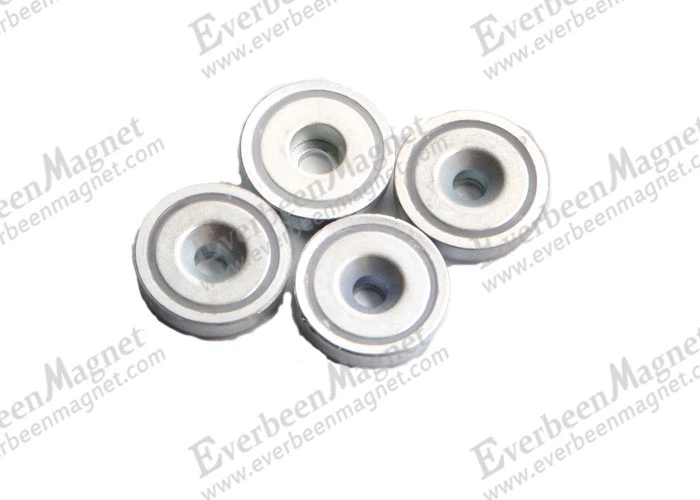
Before delving into their compatibility with plastic, it's essential to understand what pot magnets are. Pot magnets, also known as cup magnets, are a type of magnet encased in a metal shell or "pot." This shell serves multiple purposes, including enhancing the magnet's holding power by concentrating the magnetic field and protecting the magnet from damage. There are various types of pot magnets available, such as Ceramic Pot Magnets, Coutersunk Pot Magnet, and Neodymium Pot Magnet with Countersunk. Each type has unique properties and strengths, but all are designed to provide a reliable and powerful magnetic attraction.
Properties of Plastic Materials
Plastic is a broad term that encompasses a wide range of synthetic or semi - synthetic materials. The properties of plastics can vary significantly depending on their chemical composition and manufacturing process. Some plastics are rigid and strong, while others are flexible and elastic. Additionally, plastics can have different levels of electrical conductivity, thermal resistance, and chemical resistance.
Most plastics are non - magnetic, which means they do not contain iron, nickel, or cobalt - the elements that are typically attracted to magnets. However, this does not mean that pot magnets cannot interact with plastic materials in other ways.
Compatibility Factors
1. Direct Magnetic Interaction
As mentioned earlier, since most plastics are non - magnetic, there is no direct magnetic attraction between pot magnets and plastic materials. A pot magnet will not stick to a piece of plastic in the same way it would to a ferromagnetic metal like iron or steel. However, this lack of direct attraction does not rule out the possibility of using pot magnets in conjunction with plastics in various applications.

2. Mechanical Attachment
One of the most common ways to use pot magnets with plastic is through mechanical attachment. For example, a pot magnet can be embedded in a plastic housing or fixture. The plastic can be molded around the magnet during the manufacturing process, providing a secure and stable mounting for the magnet. This method is often used in applications where the magnet needs to be protected or where a specific shape or design is required.
3. Indirect Magnetic Effects
In some cases, pot magnets can have an indirect effect on plastic materials. For example, if a plastic object contains small ferromagnetic particles or has a thin metal layer, the pot magnet can attract these parts, causing the plastic object to move or be held in place. Another example is in electromagnetic applications where the changing magnetic field of a pot magnet can induce an electric current in a conductive plastic coating, although this is a more specialized scenario.
4. Chemical Compatibility
It's also important to consider the chemical compatibility between pot magnets and plastic materials. The metal shell of the pot magnet may react with certain chemicals in the plastic or vice versa. For instance, if the plastic contains solvents or additives that are corrosive to the metal shell, it can lead to damage of the magnet over time. Therefore, when choosing a plastic material to use with pot magnets, it's crucial to ensure that they are chemically compatible.
Applications of Pot Magnets with Plastic Materials
1. Consumer Electronics
In the consumer electronics industry, pot magnets are often used in combination with plastic components. For example, in smartphones and tablets, pot magnets can be used to attach accessories such as chargers, cases, or stylus pens. The plastic housing of the device provides a lightweight and durable base, while the pot magnet ensures a strong and reliable connection.
2. Retail Displays
Retailers use pot magnets and plastic materials to create attractive and functional displays. Pot magnets can be hidden inside plastic shelves or holders to secure products in place. This allows for easy rearrangement of the display items while maintaining a clean and professional appearance.
3. Industrial Automation
In industrial automation, pot magnets can be paired with plastic components for various tasks. For example, in conveyor systems, pot magnets can be embedded in plastic guides to ensure that ferrous parts are properly aligned and transported. The plastic material provides a smooth surface for the parts to move on, while the pot magnet exerts the necessary magnetic force.
Considerations for Using Pot Magnets with Plastics
1. Magnitude of Magnetic Force
The strength of the pot magnet should be carefully considered based on the specific application. If the magnetic force is too strong, it may cause stress on the plastic material, leading to deformation or breakage. On the other hand, if the force is too weak, it may not be able to hold the components together effectively.
2. Temperature Resistance
Both the pot magnet and the plastic material have their own temperature limits. High temperatures can reduce the magnetic strength of the pot magnet and may also cause the plastic to soften or melt. Therefore, it's important to ensure that the materials used can withstand the operating temperature of the application.
3. Durability
The durability of both the pot magnet and the plastic material is crucial, especially in applications where there is frequent movement or contact. The plastic should be able to resist wear and tear, and the metal shell of the pot magnet should be corrosion - resistant to ensure long - term performance.
Conclusion
In conclusion, while pot magnets do not have a direct magnetic attraction to most plastic materials, they can be highly compatible through mechanical attachment, indirect magnetic effects, and careful consideration of chemical compatibility. The combination of pot magnets and plastic materials offers a wide range of possibilities in various industries, from consumer electronics to industrial automation.
If you are considering using pot magnets in your projects and need more information or have specific requirements, please feel free to reach out. Our team of experts is ready to assist you in finding the most suitable pot magnet solutions for your needs. Whether you need Ceramic Pot Magnets, Coutersunk Pot Magnet, or Neodymium Pot Magnet with Countersunk, we can provide you with high - quality products and professional advice. Let's start discussing your procurement needs today!
References
- Handbook of Plastic Materials and Technology by Samuel Salomon
- Magnetic Materials: Fundamentals and Applications by E. du Trémolet de Lacheisserie, David Gignoux, Michel Schlenker
- Industrial Magnetics Applications: A User's Guide by Michael J. O'Handley