

Can alnico magnets be used in magnetic separators?
Oct 09, 2025
Can alnico magnets be used in magnetic separators? That's a question I often get as an alnico magnet supplier. In this blog, I'll dig into this topic and share what I know about using alnico magnets in magnetic separators.
First off, let's get to know alnico magnets a bit. Alnico magnets are made from a combination of aluminum (Al), nickel (Ni), and cobalt (Co), along with some other elements like copper and iron. They've been around for a long time and are known for their high residual induction and excellent temperature stability. There are different types of alnico magnets, such as Cast Magnets Alnico, Alnico Ring Magnet, and Alnico 8 Magnet. Each type has its own unique properties and is suitable for different applications.
Now, let's talk about magnetic separators. These are devices used to separate magnetic materials from non - magnetic ones. They're used in a wide range of industries, like mining, food processing, recycling, and more. The basic principle behind a magnetic separator is to use a magnetic field to attract and hold magnetic particles while allowing non - magnetic materials to pass through.
So, can alnico magnets be used in magnetic separators? The answer is yes, they can. One of the big advantages of using alnico magnets in magnetic separators is their high coercivity and remanence. This means they can generate a strong magnetic field, which is crucial for effectively separating magnetic materials. For example, in a mining operation, alnico magnets can be used to separate iron ore from other non - magnetic rocks and minerals. The strong magnetic field of the alnico magnets attracts the iron ore particles, allowing them to be easily collected.
Another advantage is their excellent temperature stability. Alnico magnets can maintain their magnetic properties at high temperatures. In some industrial processes, the operating environment can get quite hot. For instance, in metal recycling plants where materials are heated during the separation process, alnico magnets can still work effectively without losing their magnetic strength. This makes them a reliable choice for magnetic separators in high - temperature applications.

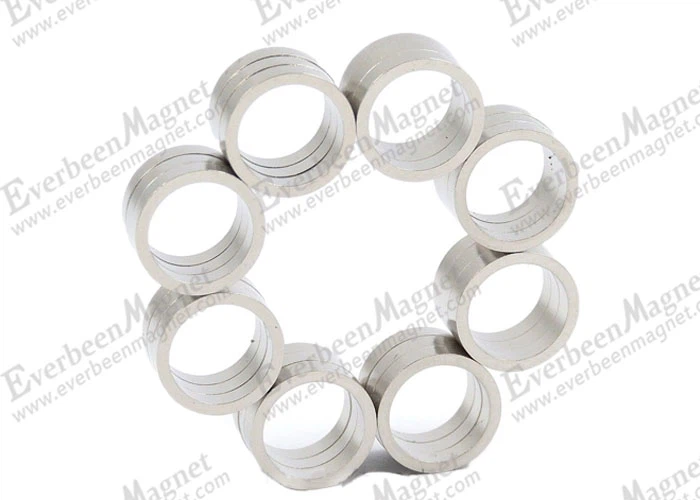
However, there are also some limitations. Alnico magnets are relatively brittle compared to other types of magnets, like neodymium magnets. This means they need to be handled with care during installation and maintenance. If they're dropped or subjected to a strong impact, they can crack or break, which will affect their performance.
Also, alnico magnets are not as strong as some of the newer rare - earth magnets in terms of magnetic field strength per unit volume. In applications where space is limited and a very high - intensity magnetic field is required, other types of magnets might be a better choice. For example, in some high - precision food processing magnetic separators, where very small magnetic particles need to be removed, neodymium magnets might be more suitable because they can generate a stronger magnetic field in a smaller space.
In the mining industry, alnico magnets have been used for decades in magnetic separators. They are often used in drum separators. These separators have a rotating drum with alnico magnets inside. As the drum rotates, the magnetic field attracts the magnetic minerals, which stick to the drum's surface and are then removed. This is a very efficient way to separate magnetic ores from non - magnetic gangue.
In the food processing industry, magnetic separators are used to remove metal contaminants from food products. Alnico magnets can be used in these separators to attract and hold small pieces of ferrous metal, like iron filings or small screws that might accidentally end up in the food during the production process. However, as I mentioned earlier, if the space in the separator is limited and a very high - intensity magnetic field is needed to capture extremely small metal particles, other magnet types might be considered.
When it comes to recycling, alnico magnets in magnetic separators play an important role in separating ferrous metals from non - ferrous materials. In a recycling facility, a conveyor belt passes over a magnetic separator with alnico magnets. The magnetic field attracts the ferrous metals, which are then diverted from the non - magnetic waste stream. This helps in the efficient recycling of metals and reduces the amount of waste going to landfills.
If you're thinking about using alnico magnets in your magnetic separators, there are a few things to consider. First, you need to assess the specific requirements of your application. Think about the type of magnetic materials you need to separate, the size of the particles, the operating temperature, and the available space. Based on these factors, you can decide if alnico magnets are the right choice.
Second, you should work with a reliable supplier. As an alnico magnet supplier, I can tell you that the quality of the magnets matters a lot. High - quality alnico magnets are made using precise manufacturing processes to ensure consistent magnetic properties. A good supplier will also provide technical support and advice on the best way to use the magnets in your magnetic separator.
In conclusion, alnico magnets can definitely be used in magnetic separators. They offer several advantages, such as high magnetic field strength and temperature stability, which make them suitable for many industrial applications. However, they also have some limitations, like brittleness and relatively lower magnetic field strength per unit volume compared to rare - earth magnets.
If you're interested in using alnico magnets for your magnetic separators or have any questions about our products, feel free to reach out. We can discuss your specific needs and help you find the best solution for your application. Whether you're in the mining, food processing, or recycling industry, we're here to assist you in making the right choice for your magnetic separation requirements.
References
- "Magnetic Materials and Their Applications" by E. C. Stoner
- "Industrial Magnetic Separation" by T. J. O'Connor