

How to diagnose the failure of Sm2Co17 magnet?
Jun 20, 2025
Hey there! As a supplier of Sm2Co17 magnets, I've seen my fair share of magnet failures. And let me tell you, diagnosing these issues can be a real head - scratcher. But don't worry, I'm here to share some tips on how to figure out what's going wrong with your Sm2Co17 magnets.
First off, let's understand what Sm2Co17 magnets are. These are rare - earth magnets known for their high energy product, excellent temperature stability, and corrosion resistance. They're used in a wide range of applications, from aerospace and defense to medical devices and high - tech consumer products. You can check out some of our specific products like Smco Ring Magnet and Smco Rod Magnets.
Visual Inspection
The first step in diagnosing a magnet failure is a simple visual check. Take a good look at the magnet. Are there any visible cracks or chips? Physical damage can significantly affect the performance of a magnet. Cracks can disrupt the magnetic field, causing a loss of strength. And if there are chips missing, well, that's even worse. The magnet's structure is compromised, and it might not be able to generate the required magnetic force.
Sometimes, you might also notice signs of corrosion. Even though Sm2Co17 magnets are relatively corrosion - resistant, they're not immune. If you see rust or other signs of oxidation on the surface, it could be a sign that the magnet has been exposed to a harsh environment. Maybe it was used in a place with high humidity or in contact with corrosive chemicals.
Magnetic Strength Testing
Once you've done the visual inspection, it's time to test the magnetic strength. You can use a gaussmeter for this. A gaussmeter measures the magnetic field strength in gauss or tesla. First, you need to know the original magnetic strength of the magnet. This information is usually provided by the manufacturer.
Place the gaussmeter near the magnet and take a reading. Compare this reading with the original strength. If the measured strength is significantly lower than the rated value, then there's a problem. There could be several reasons for this. It could be due to physical damage, overheating, or demagnetization.
Overheating is a common culprit. Sm2Co17 magnets have a certain maximum operating temperature. If they're exposed to temperatures above this limit, the magnetic domains within the magnet can start to realign randomly, leading to a loss of magnetization. And once a magnet is demagnetized, it's not easy to get its full strength back.
Temperature Analysis
As I mentioned, temperature plays a crucial role in the performance of Sm2Co17 magnets. You can use an infrared thermometer to check the temperature of the magnet during operation. If the magnet is getting too hot, it could be a sign of a problem.
There are a few reasons why a magnet might overheat. One possibility is that it's being used in an application where it's subjected to a high electrical current. For example, in some motors, if the current is too high, the magnet can heat up. Another reason could be poor ventilation. If the magnet is enclosed in a tight space with no proper airflow, heat can build up quickly.
Material Analysis
In some cases, you might need to do a more in - depth analysis of the magnet's material. This can be done using techniques like X - ray diffraction or energy - dispersive X - ray spectroscopy (EDS). These methods can help you determine the composition of the magnet and whether there are any impurities.
Impurities in the magnet material can affect its magnetic properties. They can disrupt the crystal structure of the magnet, leading to a decrease in magnetic strength. And if the composition of the magnet is not within the specified range, it might not perform as expected.
Environmental Factors
Don't forget to consider the environment in which the magnet is being used. As I said earlier, humidity and corrosive chemicals can cause problems. But there are other environmental factors too. For example, exposure to strong external magnetic fields can demagnetize a Sm2Co17 magnet.
If the magnet is used near other powerful magnets or in an environment with a lot of electromagnetic interference, the magnetic domains in the Sm2Co17 magnet can be affected. So, think about where the magnet is located and what other equipment it's near.
Usage and Application
Sometimes, the problem might not be with the magnet itself, but with how it's being used. Maybe it was installed incorrectly. For example, if the magnet is not properly aligned in a motor or a sensor, it might not work as intended.
Also, consider the application requirements. If the magnet is being used in an application that requires a higher magnetic strength than it can provide, it's going to struggle. So, make sure the magnet is suitable for the specific application.
Documentation and History
Finally, look at the documentation and history of the magnet. Check the installation records, maintenance logs, and any previous reports of problems. This information can give you valuable clues about what might be going wrong.
If there have been previous issues with the magnet, it could be a sign of a recurring problem. Maybe there was a problem during the manufacturing process that wasn't detected, or maybe there's an issue with the way the magnet is being maintained.
In conclusion, diagnosing the failure of a Sm2Co17 magnet requires a systematic approach. Start with a visual inspection, then move on to testing the magnetic strength, analyzing the temperature, and considering the environmental factors. Don't forget to look at the material composition and the usage history. By following these steps, you should be able to figure out what's causing the problem and take the appropriate action.

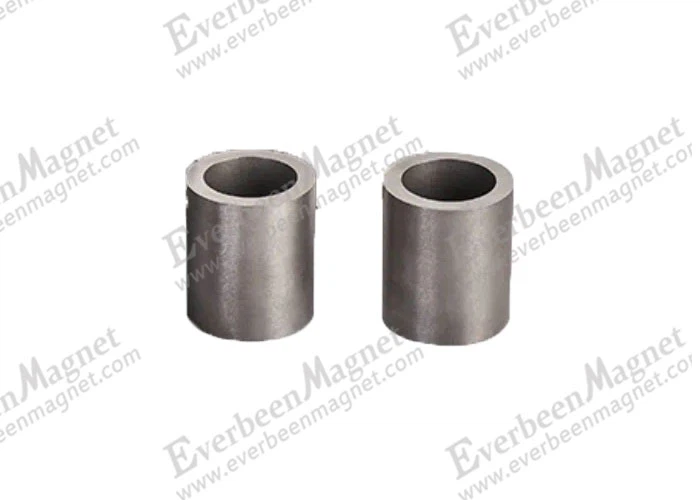
If you're having trouble with your Sm2Co17 magnets or if you're looking to purchase high - quality magnets, don't hesitate to reach out. We're here to help you find the right solution for your needs. Whether you need Smco Ring Magnet or Smco Rod Magnets, we've got you covered.
References
- "Permanent Magnet Materials and Their Applications" by B. D. Cullity and C. D. Graham
- "Magnetic Materials: Fundamentals and Applications" by E. C. Stoner and E. P. Wohlfarth