

How to integrate smco disc magnets into electronic circuits?
Nov 07, 2025
Integrating SmCo disc magnets into electronic circuits can significantly enhance the performance and functionality of various electronic devices. As a supplier of SmCo disc magnets, I am well - versed in the properties and applications of these powerful magnets, and I'm excited to share some insights on how to integrate them into electronic circuits.
Properties of SmCo Disc Magnets
Samarium - cobalt (SmCo) disc magnets are part of the rare - earth magnet family, known for their high magnetic strength, excellent temperature stability, and corrosion resistance. These magnets can maintain their magnetic properties at elevated temperatures, making them suitable for applications where other magnets might lose their effectiveness. The high coercivity of SmCo magnets means they are less likely to be demagnetized by external magnetic fields, ensuring long - term reliability in electronic circuits.
Applications in Electronic Circuits
Magnetic Sensors
One of the most common applications of SmCo disc magnets in electronic circuits is in magnetic sensors. These sensors can detect changes in magnetic fields, which can be translated into electrical signals. For example, in a Hall - effect sensor, the presence or absence of a magnetic field from an SmCo disc magnet can cause a change in the voltage output of the sensor. This principle is used in various industries, such as automotive for detecting the position of gears or in industrial automation for monitoring the movement of mechanical parts.
Electric Motors
SmCo disc magnets are also widely used in electric motors. In a brushless DC motor, the magnets are placed on the rotor, and the stator contains coils of wire. When an electric current is passed through the coils, a magnetic field is created that interacts with the magnetic field of the SmCo disc magnets, causing the rotor to rotate. The high magnetic strength of SmCo magnets allows for more efficient motor designs, with higher torque and better power - to - weight ratios compared to motors using other types of magnets.
Magnetic Actuators
Magnetic actuators use the magnetic force generated by SmCo disc magnets to move mechanical components. In a solenoid - like actuator, the magnet can be used to create a linear or rotational motion when an electric current is applied to a coil. This is useful in applications such as valve control in fluid systems or in the movement of robotic arms.
Steps to Integrate SmCo Disc Magnets into Electronic Circuits
Design Considerations
Before integrating SmCo disc magnets into an electronic circuit, it is essential to consider the design requirements. Determine the size and shape of the magnet based on the available space in the circuit and the magnetic field strength needed for the specific application. The orientation of the magnet is also crucial, as the magnetic field has a specific direction. For example, in a magnetic sensor, proper alignment of the magnet with the sensor element is necessary to ensure accurate detection.
Mounting the Magnets
Once the design is finalized, the next step is to mount the SmCo disc magnets securely. There are several methods for mounting magnets, including using adhesives, mechanical fasteners, or magnetic holders. Adhesives are a popular choice as they can provide a strong bond and are suitable for applications where a clean and compact installation is required. However, it is important to choose an adhesive that can withstand the operating temperature and environmental conditions of the circuit.
Electrical Isolation
In some cases, it may be necessary to provide electrical isolation between the magnet and the electronic components in the circuit. This can be achieved by using insulating materials such as plastic or ceramic sleeves. Electrical isolation helps prevent short - circuits and interference between the magnetic field and the electrical signals in the circuit.
Testing and Calibration
After mounting the magnets, the circuit should be tested to ensure proper functionality. This may involve measuring the magnetic field strength, checking the output of sensors, or testing the performance of motors or actuators. Calibration may be required to adjust the sensitivity of sensors or to optimize the performance of motors. For example, in a magnetic sensor, calibration can be done by adjusting the gain or offset of the sensor amplifier to ensure accurate readings.

Complementary Products
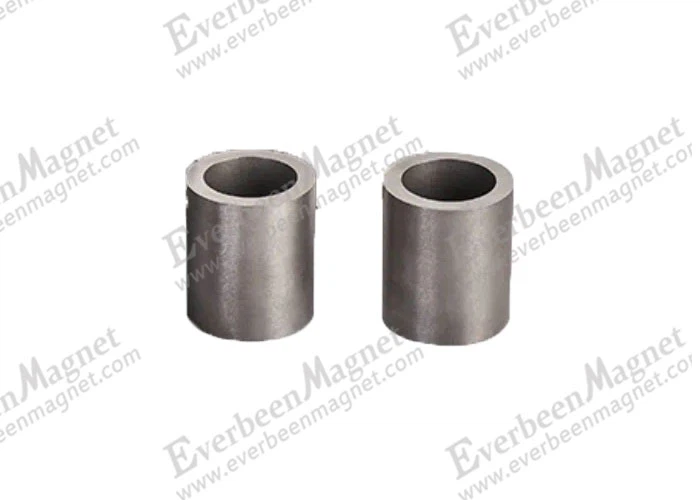
In addition to SmCo disc magnets, we also offer Smco Rod Magnets and Smco Ring Magnet. These different shapes of SmCo magnets can be used in combination with disc magnets to create more complex magnetic circuits or to meet specific design requirements. For example, SmCo rod magnets can be used in linear actuators, while SmCo ring magnets are suitable for applications such as magnetic couplings.
Safety Precautions
When working with SmCo disc magnets, it is important to take safety precautions. These magnets are very strong and can cause serious injuries if they pinch fingers or other body parts. They can also attract ferromagnetic objects from a distance, which may cause collisions or damage. Additionally, SmCo magnets are brittle and can break easily if dropped or subjected to excessive force. Therefore, proper handling and storage of the magnets are essential.
Contact for Procurement
If you are interested in incorporating SmCo disc magnets into your electronic circuits or have any questions about our products, we encourage you to reach out. Our team of experts is ready to assist you with product selection, design advice, and technical support. Whether you are working on a small - scale prototype or a large - scale production project, we can provide the right SmCo magnets to meet your needs.
References
- "Rare - Earth Permanent Magnets: Fundamentals and Applications" by J. M. D. Coey
- "Magnetic Sensors and Magnetometers" by David Jiles