

How to prevent smco disc magnets from cracking?
Nov 27, 2025
SmCo disc magnets are renowned for their exceptional magnetic properties, high coercivity, and excellent temperature stability. These characteristics make them a popular choice in various high - performance applications, such as aerospace, defense, and high - precision sensors. However, one of the significant challenges faced by users and suppliers alike is the issue of magnet cracking. As a supplier of SmCo disc magnets, I understand the importance of preventing these magnets from cracking to ensure customer satisfaction and the long - term performance of the end - products. In this blog, I will share some practical strategies to prevent SmCo disc magnets from cracking.
Understanding the Causes of Cracking
Before we can effectively prevent cracking, it is essential to understand the root causes. There are several factors that can lead to the cracking of SmCo disc magnets:
Thermal Stress
SmCo magnets have a relatively high Curie temperature, but they are still sensitive to rapid temperature changes. When a magnet is exposed to sudden temperature variations, thermal stress is generated within the material. This stress can exceed the magnet's strength, causing it to crack. For example, during the manufacturing process, if the cooling rate is too fast after sintering, the internal structure of the magnet may not have enough time to adjust, resulting in thermal stress accumulation.
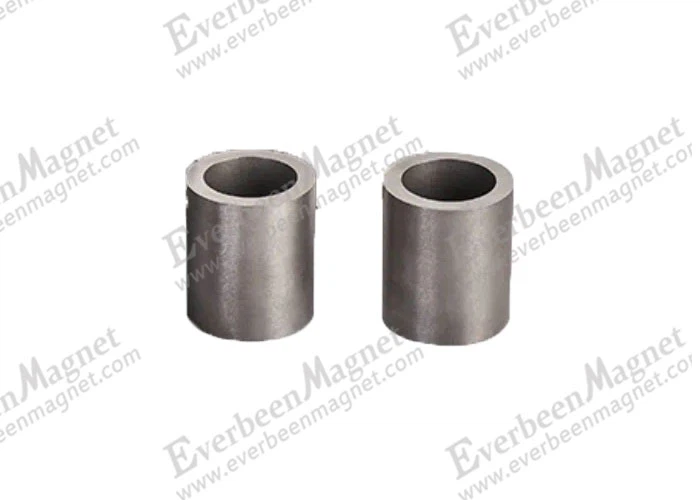

Mechanical Impact
SmCo disc magnets are brittle materials. Any significant mechanical impact, such as dropping the magnet or subjecting it to excessive pressure during handling, assembly, or use, can cause cracks. Even a small impact can initiate a crack that may propagate over time, especially under the influence of other stress factors.
Improper Machining
If the machining process is not carried out correctly, it can introduce internal stresses and surface defects in the magnet. For instance, using inappropriate cutting tools or incorrect machining parameters can generate excessive heat and mechanical forces, leading to cracking. Grinding operations, in particular, need to be carefully controlled to avoid over - heating and mechanical damage.
Preventive Measures
Thermal Management
- Controlled Temperature Changes: During the manufacturing process, it is crucial to control the heating and cooling rates. For example, after sintering, a slow and controlled cooling process should be adopted to allow the magnet to gradually reach room temperature. In applications where the magnet is exposed to temperature variations, proper insulation or heat - dissipation measures can be taken. If the magnet is used in a high - temperature environment, a heat - sink can be installed to ensure a more uniform temperature distribution.
- Pre - heating and Annealing: Pre - heating the magnet before subjecting it to high - temperature operations can reduce the thermal shock. Annealing can also be used to relieve internal stresses in the magnet. This process involves heating the magnet to a specific temperature and then slowly cooling it. The annealing temperature and time should be carefully determined based on the specific composition and properties of the SmCo magnet.
Handling and Assembly
- Gentle Handling: When handling SmCo disc magnets, it is important to be extremely gentle. Use appropriate tools, such as non - magnetic tweezers or gloves, to avoid direct contact that could cause scratches or impacts. Magnets should be stored in a soft and protective container to prevent them from colliding with each other or other hard objects.
- Proper Assembly Techniques: During the assembly process, ensure that the magnet is properly aligned and seated. Avoid applying excessive force during installation. If the magnet needs to be fixed in place, use appropriate adhesives or mechanical fixtures that can distribute the stress evenly. For example, when using an adhesive, make sure it has good adhesion properties and can withstand the operating conditions of the magnet.
Machining Optimization
- Selecting the Right Tools: Use high - quality cutting and grinding tools specifically designed for hard and brittle materials. Diamond - coated tools are often a good choice for machining SmCo magnets because they can provide a clean and precise cut with minimal heat generation.
- Optimized Machining Parameters: Adjust the machining parameters, such as cutting speed, feed rate, and depth of cut, to minimize the mechanical and thermal stresses on the magnet. For example, a lower cutting speed and a smaller depth of cut can reduce the heat and force generated during machining. Additionally, using a coolant during machining can help dissipate heat and reduce the risk of cracking.
Quality Control
- Inspection at Every Stage: Implement a strict quality control system throughout the manufacturing process. Inspect the magnets at each stage, from raw material inspection to the final finished product. Non - destructive testing methods, such as ultrasonic testing and magnetic particle inspection, can be used to detect internal cracks and surface defects.
- Certification and Standards: Ensure that the manufacturing process complies with relevant industry standards and certifications. This not only guarantees the quality of the magnets but also provides customers with confidence in the product.
Application - Specific Considerations
- Compatibility with Other Materials: When using SmCo disc magnets in an assembly, consider the compatibility of the magnet with other materials. Different materials have different coefficients of thermal expansion, and if they are not compatible, it can lead to additional stress on the magnet. For example, when combining the magnet with a metal component, choose a metal with a similar coefficient of thermal expansion to minimize thermal stress.
- Environmental Protection: Protect the magnet from harsh environmental conditions, such as moisture, chemicals, and corrosive substances. These can degrade the magnet's surface and internal structure, increasing the risk of cracking. Applying a protective coating, such as a nickel - copper - nickel coating, can provide a barrier against environmental factors.
Conclusion
Preventing SmCo disc magnets from cracking requires a comprehensive approach that addresses all aspects of the magnet's lifecycle, from manufacturing to application. By understanding the causes of cracking and implementing the appropriate preventive measures, we can significantly reduce the risk of cracking and ensure the high - quality performance of the magnets.
As a supplier of SmCo disc magnets, I am committed to providing our customers with high - quality products and professional technical support. If you are interested in our Smco Rod Magnets or Smco Ring Magnet, or if you have any questions about preventing magnet cracking, please feel free to contact us for further discussion and procurement negotiation.
References
- "Magnet Materials and Their Applications" by John E. Evetts
- "Handbook of Magnetic Materials" edited by Klaus H. J. Buschow