

What are the substitutes for Sm2Co17 magnet?
Oct 30, 2025
As a supplier of Sm2Co17 magnets, I've encountered numerous inquiries from customers seeking alternatives to these powerful permanent magnets. Sm2Co17 magnets, also known as samarium cobalt magnets of the 2:17 type, are renowned for their exceptional magnetic properties, high temperature resistance, and corrosion resistance. However, there are situations where substitutes might be preferred due to factors such as cost, availability, or specific application requirements. In this blog post, I'll explore some of the viable substitutes for Sm2Co17 magnets and discuss their respective advantages and limitations.
Neodymium Iron Boron (NdFeB) Magnets
Neodymium iron boron (NdFeB) magnets are perhaps the most well - known alternative to Sm2Co17 magnets. These magnets are the strongest type of permanent magnets commercially available, offering extremely high magnetic energy products. NdFeB magnets are composed of neodymium, iron, and boron, and they have a wide range of applications, from small consumer electronics to large industrial machinery.
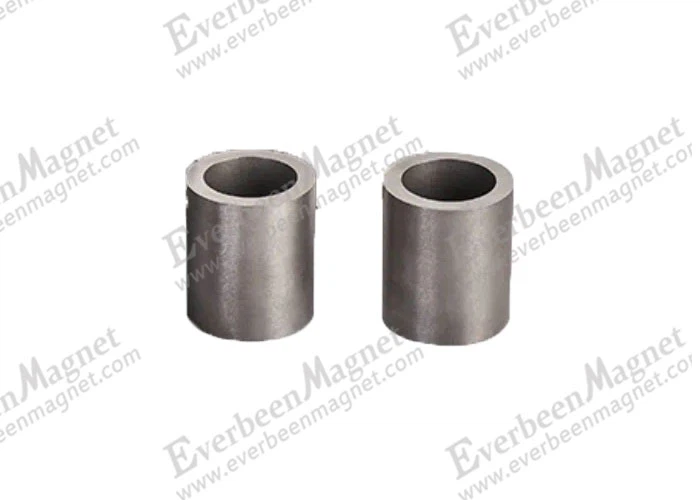
One of the main advantages of NdFeB magnets is their cost - effectiveness. They are generally less expensive than Sm2Co17 magnets, especially when considering the high magnetic performance they offer. This makes them an attractive option for applications where cost is a major concern. Additionally, NdFeB magnets can be produced in a variety of shapes and sizes, including Smco Ring Magnet and Smco Rod Magnets equivalents, which provides flexibility in design.

However, NdFeB magnets have some limitations. They have a relatively low Curie temperature, typically around 310 - 400°C, which means they start to lose their magnetic properties at relatively high temperatures. In contrast, Sm2Co17 magnets can maintain their magnetic performance at much higher temperatures, up to 550 - 650°C. Also, NdFeB magnets are more prone to corrosion, and they usually require a protective coating to prevent oxidation.
Alnico Magnets
Alnico magnets are made from an alloy of aluminum, nickel, and cobalt, along with other elements such as copper and iron. These magnets have been around for a long time and are known for their excellent temperature stability and high remanence.
One of the key advantages of Alnico magnets is their high Curie temperature, which can be as high as 800 - 850°C. This makes them suitable for applications where high - temperature performance is crucial. Alnico magnets also have good resistance to demagnetization, especially in the presence of external magnetic fields.
In terms of cost, Alnico magnets can be more affordable than Sm2Co17 magnets, especially for large - scale production. They are also relatively easy to machine, which allows for the production of complex shapes.
On the downside, Alnico magnets have a relatively low coercivity compared to Sm2Co17 and NdFeB magnets. This means they are more likely to be demagnetized by external magnetic fields, and they may not be suitable for applications where strong magnetic fields are required to be maintained in the presence of interference.
Ferrite Magnets
Ferrite magnets, also known as ceramic magnets, are made from a combination of iron oxide and barium or strontium carbonate. They are one of the most widely used types of permanent magnets due to their low cost and good chemical stability.
Ferrite magnets are extremely cost - effective, making them a popular choice for mass - produced consumer products. They are also highly resistant to corrosion and can operate in a wide range of environmental conditions. Moreover, ferrite magnets have a relatively high coercivity, which means they are less likely to be demagnetized.
However, ferrite magnets have a relatively low magnetic energy product compared to Sm2Co17, NdFeB, and even Alnico magnets. This limits their use in applications where strong magnetic fields are required. They also have a relatively low remanence, which means they may not be suitable for applications where a high magnetic flux density is needed.
Choosing the Right Substitute
When choosing a substitute for Sm2Co17 magnets, it's important to consider the specific requirements of your application. If high - temperature performance is crucial, Sm2Co17 magnets are still the best option. However, if cost is a major concern and the operating temperature is relatively low, NdFeB or ferrite magnets may be more suitable. For applications where high - temperature stability and resistance to demagnetization are needed, but high magnetic strength is not a top priority, Alnico magnets could be a good choice.
It's also important to note that while these substitutes can offer similar performance in some aspects, they may not be able to fully replicate the unique properties of Sm2Co17 magnets. Therefore, careful consideration and testing are required to ensure that the substitute magnet meets the performance requirements of your application.
Conclusion
In conclusion, there are several substitutes for Sm2Co17 magnets, each with its own set of advantages and limitations. Neodymium iron boron magnets offer high magnetic performance at a relatively low cost but have limited high - temperature stability. Alnico magnets provide excellent temperature stability but have lower coercivity. Ferrite magnets are cost - effective and corrosion - resistant but have a low magnetic energy product.
As a supplier of Sm2Co17 magnets, I understand the importance of finding the right magnet for your specific application. Whether you choose a Sm2Co17 magnet or one of its substitutes, I'm here to assist you in making an informed decision. If you have any questions or would like to discuss your magnet requirements further, please feel free to reach out. We can work together to find the most suitable solution for your project.
References
- Handbook of Magnetic Materials, edited by Klaus H. J. Buschow
- Magnetic Materials and Their Applications, by E. C. Stoner and E. P. Wohlfarth
- Magnetism and Magnetic Materials, by David Jiles