

What is the magnetization direction of ferrite magnets?
Aug 20, 2025
Hey there! As a supplier of ferrite magnets, I often get asked about the magnetization direction of these nifty little things. So, I thought I'd take a moment to break it down for you in a way that's easy to understand.
First off, let's talk a bit about what ferrite magnets are. Ferrite magnets, also known as ceramic magnets, are permanent magnets made from a combination of iron oxide and other metallic elements. They're popular because they're relatively inexpensive, resistant to corrosion, and have good magnetic properties. You can find them in all sorts of applications, from small motors and speakers to magnetic separators and holding devices.
Now, onto the main topic: the magnetization direction. The magnetization direction of a ferrite magnet refers to the orientation of its magnetic field. Think of it like an arrow that shows which way the magnetic force is pointing. There are a few different ways to magnetize ferrite magnets, and the choice of magnetization direction depends on the specific application.
Axial Magnetization
One common magnetization direction is axial magnetization. In this case, the magnetic field is aligned along the axis of the magnet. It's like having a magnet with a north pole at one end and a south pole at the other, just like a traditional bar magnet. Axial magnetization is often used in applications where you need a strong magnetic field in a specific direction, such as in electric motors. When the magnet is placed in the motor, the axial magnetization helps to create a rotational force that makes the motor spin.
Radial Magnetization
Another important magnetization direction is radial magnetization. With radial magnetization, the magnetic field is directed radially outward from the center of the magnet. It's as if the magnet has a north pole on the outside and a south pole on the inside (or vice versa). Radial magnetization is commonly used in applications like magnetic couplings and sensors. For example, in a magnetic coupling, the radially magnetized magnets can transfer torque from one shaft to another without any physical contact, which is really useful in situations where you want to avoid wear and tear.

Multi - Pole Magnetization
Sometimes, we also use multi - pole magnetization. This means that the magnet has multiple north and south poles arranged in a specific pattern. Multi - pole magnetization can be used to create complex magnetic fields for specialized applications. For instance, in some high - performance motors, multi - pole magnets can help to increase the efficiency and power output of the motor by providing a more uniform magnetic field.
Impact of Magnetization Direction on Applications
The choice of magnetization direction can have a big impact on how well a ferrite magnet works in a particular application. Let's take a look at some examples.
If you're using ferrite magnets in a speaker, the magnetization direction affects the sound quality. Axial magnetization might be used to create a strong magnetic field that moves the speaker cone back and forth, producing sound waves. The right magnetization direction ensures that the cone moves smoothly and accurately, resulting in clear and crisp sound.
In magnetic separators, which are used to remove magnetic particles from a material stream, the magnetization direction is crucial for efficient separation. A well - chosen magnetization direction can help to attract and hold the magnetic particles more effectively, improving the overall performance of the separator.
Our Product Range and Magnetization Options
As a ferrite magnet supplier, we offer a wide range of ferrite magnets with different magnetization directions to meet your specific needs. For example, we have Ferrite Arc Magnets that can be magnetized in various directions depending on your application. These arc - shaped magnets are great for applications where you need to fit the magnet into a curved space, like in some types of motors or sensors.
Our Permanent Ceramic Magnet selection also includes options with different magnetization directions. Whether you need axial, radial, or multi - pole magnetization, we can provide magnets that are tailored to your requirements. These permanent ceramic magnets are known for their long - lasting magnetic properties and durability.
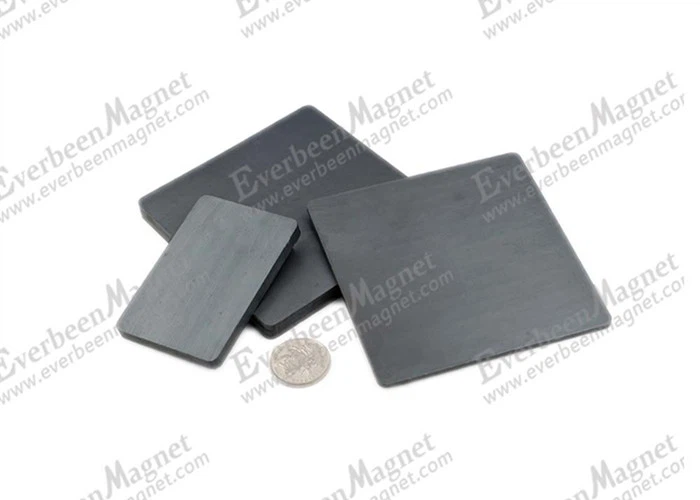
And if you're looking for block - shaped magnets, our Ferrite Block Magnets are available with a variety of magnetization directions. Block magnets are very versatile and can be used in a wide range of applications, from simple holding devices to more complex industrial equipment.
Custom Magnetization for Your Needs
We understand that every customer's application is unique, and sometimes you might need a custom magnetization direction. That's where our expertise comes in. Our team of experts can work with you to design and manufacture ferrite magnets with the exact magnetization direction you need. We use advanced magnetization techniques and state - of - the - art equipment to ensure that the magnets meet your specifications.
Why Choose Us as Your Ferrite Magnet Supplier
When you choose us as your ferrite magnet supplier, you're getting more than just a product. You're getting a partner who understands your needs and can provide you with high - quality magnets at a competitive price. We have a strict quality control process in place to ensure that every magnet we produce meets the highest standards.
Our customer service team is always ready to answer your questions and help you with any issues you might have. Whether you're a small business looking for a few magnets or a large corporation with a big order, we can handle it.
Let's Connect
If you're interested in learning more about the magnetization direction of ferrite magnets or if you have a specific application in mind, we'd love to hear from you. We can provide you with detailed information about our products, help you choose the right magnetization direction for your needs, and even offer samples for testing.
Don't hesitate to reach out to us to start a conversation about your ferrite magnet requirements. We're here to help you find the perfect solution for your project.
References
- "Permanent Magnet Materials and Their Applications" by E. C. Stoner and E. P. Wohlfarth
- "Magnetism and Magnetic Materials" by David Jiles