Description Of Magnetic Rotary Encoder
Oct 29, 2024
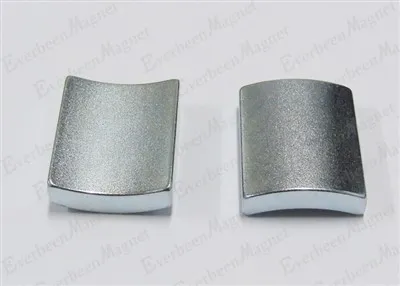
A magnetic rotary encoder is a device used to convert the angular position of a rotating shaft into an electrical signal. It typically consists of a magnet(strong NdFeB magnet) attached to the rotating shaft and a sensor (like Hall effect sensors) that detects changes in the magnetic field as the shaft rotates. These encoders utilize magnetic sensors to detect the position and speed of rotation, making them reliable and often more durable than optical encoders.
Key Features
- Non-Contact Measurement: Magnetic rotary encoders operate without physical contact, which reduces wear and extends lifespan.
- Resistance to Harsh Environments: They can function well in dusty, dirty, or wet conditions where optical encoders might fail.
- High Resolution: Many magnetic rotary encoders offer high-resolution outputs, allowing for precise position tracking.
- Compact Design: They can be designed to fit into tight spaces, which is advantageous in various applications.
Applications
Applications:
- Robotics
- CNC machinery
- Industrial automation
- Automotive systems
- Medical devices
Benefits
- Durability: Less prone to damage from environmental factors.
- Cost-Effectiveness: Often more affordable than comparable optical encoders.
- Versatility: Suitable for a wide range of applications across different industries.
Types
Incremental Encoders: Generate pulses as the shaft rotates, allowing for relative position measurement. They provide information about direction and speed but not absolute position.
Absolute Encoders: Provide a unique code for each position of the shaft, allowing for accurate measurement of absolute position. They can be either single-turn (for one full rotation) or multi-turn (for multiple rotations).