

Do pot magnets need to be grounded?
Jan 21, 2026
Do pot magnets need to be grounded? This is a question that often arises among those who work with or are considering using pot magnets in various applications. As a pot magnet supplier, I've encountered this query numerous times, and in this blog, I'll delve into the topic to provide a comprehensive answer.
Understanding Pot Magnets
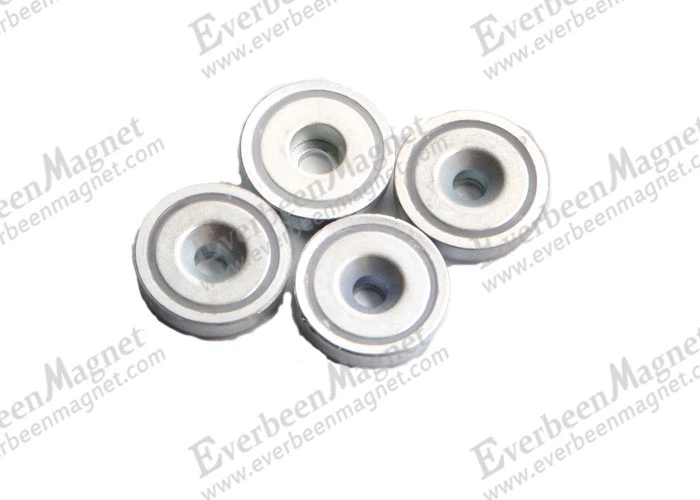
Before we discuss grounding, let's first understand what pot magnets are. Pot magnets, also known as cup magnets, consist of a permanent magnet encased in a ferromagnetic steel cup. The steel cup serves multiple purposes. It enhances the magnetic field strength by concentrating the magnetic flux in a specific direction, protects the magnet from physical damage, and provides a convenient mounting surface. Pot magnets come in different materials, including neodymium, alnico, and ceramic. For instance, you can explore our Neodymium Pot Magnet with Inner Thread, Alnico Pot Magnets, and Ceramic Pot Magnets on our website.
The Concept of Grounding
Grounding is the process of connecting an electrical conductor to the earth or to a large conducting body that serves as a reference point for electrical potential. In electrical systems, grounding is crucial for safety reasons. It provides a low - resistance path for electrical current in case of a fault, preventing the build - up of dangerous voltages on equipment and reducing the risk of electric shock.
Do Pot Magnets Require Grounding?
From a Magnetic Perspective
In most cases, pot magnets do not need to be grounded from a magnetic perspective. The magnetic field of a pot magnet is a result of the alignment of magnetic domains within the permanent magnet material. This magnetic field is a static field and does not involve the flow of electrical current in the traditional sense. Therefore, there is no electrical charge build - up or electrical potential difference that would require grounding to dissipate.
For example, in applications such as holding fixtures in a manufacturing environment, where pot magnets are used to secure parts in place, the magnetic force is purely a result of the magnetic properties of the magnet and the steel cup. There is no electrical component involved that would necessitate grounding.
In Electrical Applications
However, there are situations where pot magnets may be used in electrical applications, and grounding becomes relevant.
Electromagnetic Interference (EMI)
In some electronic devices, pot magnets can be part of an electromagnetic circuit. When an electrical current passes through a coil in the vicinity of a pot magnet, it can create an electromagnetic field. This field may interfere with other electronic components in the device, causing malfunctions. Grounding the pot magnet or the associated components can help to reduce electromagnetic interference. By providing a path for the stray electrical currents to flow to the ground, grounding can minimize the impact of EMI on nearby electronics.
Static Electricity
Pot magnets can accumulate static electricity, especially in dry environments or when they are in contact with materials that can generate static charges through friction. Static electricity build - up can be a problem, as it may cause electrostatic discharge (ESD). ESD can damage sensitive electronic components or even cause ignition in flammable environments. In such cases, grounding the pot magnet can prevent the build - up of static charges by allowing them to dissipate safely to the ground.
Factors to Consider for Grounding Pot Magnets
Application Environment
The environment in which the pot magnet is used plays a significant role in determining whether grounding is necessary. In a clean, dry, and non - electronic environment, such as a mechanical workshop, grounding may not be required. On the other hand, in a high - tech electronics manufacturing facility or a laboratory with sensitive equipment, grounding is often a must.
Type of Equipment
The type of equipment the pot magnet is integrated with also matters. If the pot magnet is part of a simple mechanical device, grounding may not be essential. But if it is used in a complex electrical or electronic system, grounding can help ensure the proper functioning of the equipment and protect it from damage.
Safety Regulations
Safety regulations in different industries can also mandate grounding. For example, in the aerospace and medical industries, where the reliability of equipment is of utmost importance, strict safety standards may require grounding of all electrical and magnetic components, including pot magnets.
How to Ground Pot Magnets
If grounding is determined to be necessary, there are several ways to ground a pot magnet.
Direct Connection
One simple method is to directly connect the pot magnet to a ground point using a grounding wire. The wire should be made of a good electrical conductor, such as copper. The connection should be secure to ensure a low - resistance path for the electrical current.
Grounding Through the Mounting Surface
If the pot magnet is mounted on a conductive surface that is already grounded, the magnet can be grounded through the mounting surface. For example, if the magnet is attached to a metal frame that is connected to the building's electrical ground, the magnet will be effectively grounded.

Conclusion
In conclusion, whether pot magnets need to be grounded depends on the specific application. In general, from a pure magnetic perspective, grounding is not necessary. However, in electrical applications where electromagnetic interference or static electricity is a concern, grounding can be crucial for the proper functioning and safety of the equipment.
As a pot magnet supplier, we understand the diverse needs of our customers. We offer a wide range of pot magnets suitable for various applications. If you have any questions about pot magnets, including grounding requirements, or if you are interested in purchasing our products, please feel free to contact us for further discussion and procurement negotiation. We are committed to providing high - quality pot magnets and professional technical support to meet your specific needs.
References
- "Magnetism and Electromagnetism" by David Halliday, Robert Resnick, and Jearl Walker.
- Industry standards and safety regulations related to electrical and magnetic components.