

Are smco disc magnets affected by high - frequency magnetic fields?
Jun 09, 2025
As a supplier of SmCo disc magnets, I often encounter inquiries from customers about the performance of these magnets under various conditions. One question that comes up frequently is whether SmCo disc magnets are affected by high - frequency magnetic fields. In this blog post, I will delve into this topic to provide a comprehensive understanding for those interested in our products.
Understanding SmCo Disc Magnets
SmCo (Samarium Cobalt) disc magnets are a type of rare - earth magnet known for their high magnetic energy product, excellent temperature stability, and strong resistance to corrosion and demagnetization. These properties make them suitable for a wide range of applications, including aerospace, defense, and high - precision instrumentation.
The magnetic properties of SmCo disc magnets are determined by their crystal structure and the alignment of magnetic domains within the material. The unique composition of samarium and cobalt creates a strong internal magnetic field, which gives these magnets their remarkable performance characteristics.
High - Frequency Magnetic Fields: What Are They?
High - frequency magnetic fields typically refer to magnetic fields with frequencies ranging from several kilohertz (kHz) to gigahertz (GHz). These fields are commonly found in applications such as wireless communication devices, induction heating systems, and high - speed electrical motors.
The behavior of materials in high - frequency magnetic fields is quite different from that in static or low - frequency magnetic fields. At high frequencies, factors such as eddy current losses, hysteresis losses, and skin effects become more significant and can affect the performance of magnetic materials.
How High - Frequency Magnetic Fields Affect SmCo Disc Magnets
1. Eddy Current Losses
Eddy currents are induced in conductive materials when they are exposed to a changing magnetic field. In the case of SmCo disc magnets, high - frequency magnetic fields can cause the generation of eddy currents within the magnet itself. These eddy currents result in power losses in the form of heat, which can lead to a rise in the temperature of the magnet.
As the temperature of the SmCo disc magnet increases, its magnetic properties may start to degrade. The Curie temperature of SmCo magnets is relatively high (around 700 - 800°C), but excessive heating due to eddy current losses can still cause a reduction in the magnetic field strength and the coercivity of the magnet over time.
2. Hysteresis Losses
Hysteresis losses occur when a magnetic material is subjected to a cyclic magnetic field. The magnetization of the material lags behind the applied magnetic field, and energy is dissipated in the form of heat during each cycle. In high - frequency magnetic fields, the number of cycles per unit time is much higher, which means that hysteresis losses can be more pronounced.
For SmCo disc magnets, hysteresis losses can contribute to additional heating and can also affect the overall efficiency of the magnetic system in which the magnet is used. The shape of the hysteresis loop of SmCo magnets is relatively narrow, which indicates that they have relatively low hysteresis losses compared to some other magnetic materials. However, at very high frequencies, these losses can still have an impact on the performance of the magnet.
3. Skin Effect
The skin effect is a phenomenon where the alternating current (AC) in a conductor tends to flow near the surface of the conductor rather than uniformly throughout its cross - section at high frequencies. In the context of SmCo disc magnets, the skin effect can cause the magnetic field to be concentrated near the surface of the magnet, which may lead to non - uniform magnetization and reduced magnetic performance in the interior of the magnet.
Applications and Considerations
Despite the potential effects of high - frequency magnetic fields on SmCo disc magnets, they are still used in many high - frequency applications. For example, in some microwave devices and high - speed motors, SmCo disc magnets are employed due to their high magnetic strength and temperature stability.
When using SmCo disc magnets in high - frequency applications, several considerations should be taken into account:
- Magnet Design: The shape and size of the SmCo disc magnet can be optimized to reduce eddy current losses. For example, using thinner magnets or segmented magnets can help to minimize the path of eddy currents and reduce heat generation.
- Cooling System: Implementing an effective cooling system can help to dissipate the heat generated by eddy current and hysteresis losses. This can prevent the magnet from overheating and maintain its magnetic performance.
- Frequency Range: Understanding the specific frequency range of the application is crucial. Different frequency ranges may have different effects on the magnet, and appropriate measures can be taken based on the frequency characteristics.
Other SmCo Magnet Products
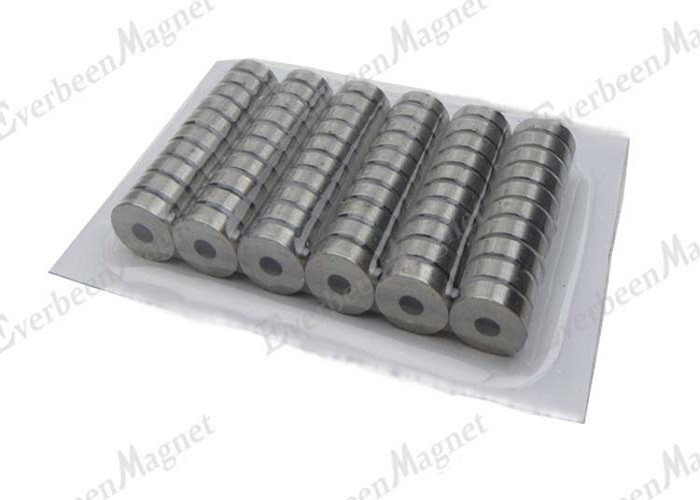
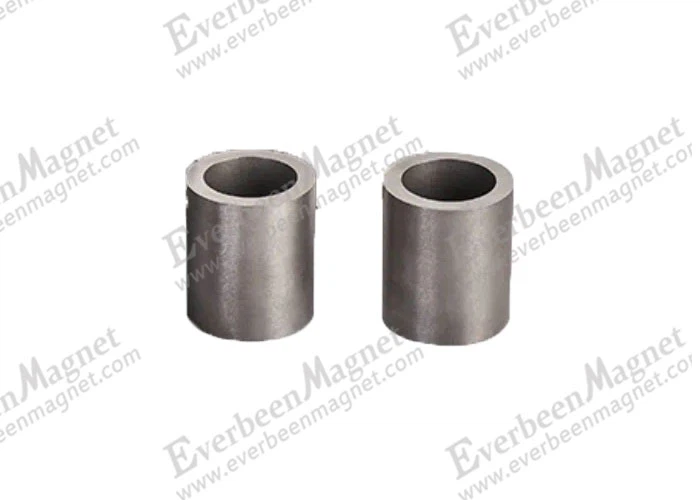
In addition to SmCo disc magnets, we also offer a variety of other SmCo magnet products, such as Smco Ring Magnet and Smco Rod Magnets. These magnets also have their own unique properties and are suitable for different applications.
Conclusion
In conclusion, SmCo disc magnets can be affected by high - frequency magnetic fields through eddy current losses, hysteresis losses, and the skin effect. However, with proper design, cooling, and consideration of the frequency range, these effects can be minimized, and the magnets can still perform well in high - frequency applications.
If you are interested in our SmCo disc magnets or other SmCo magnet products and have questions about their performance in high - frequency magnetic fields or any other aspects, please feel free to contact us for further discussion. We are always ready to provide you with professional advice and high - quality products to meet your specific needs.
References
- Campbell, S. J. (2006). Foundations of Magnetic Recording. Academic Press.
- Cullity, B. D., & Graham, C. D. (2008). Introduction to Magnetic Materials. Wiley - Interscience.
- Kittel, C. (1996). Introduction to Solid State Physics. Wiley.