

Are smco ring magnets affected by radiation?
Jun 30, 2025
As a supplier of SmCo ring magnets, I've encountered numerous inquiries from clients regarding the potential effects of radiation on these magnets. This topic is not only relevant for those in high - tech industries where radiation is prevalent but also for general users who want to understand the durability and reliability of SmCo ring magnets under various conditions.
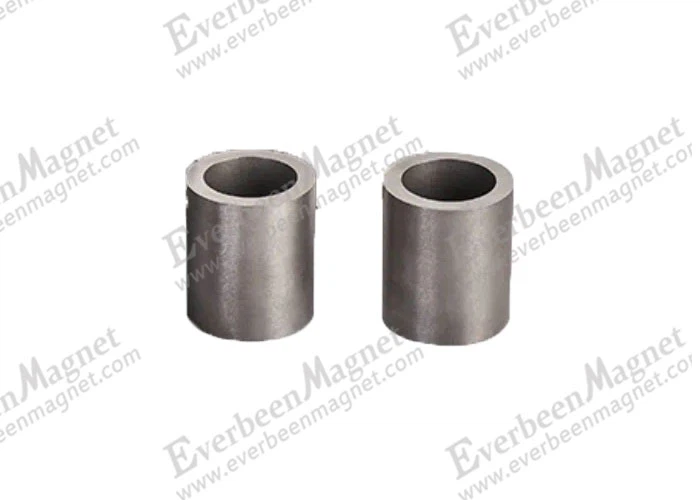

SmCo (Samarium Cobalt) magnets are a type of rare - earth magnet known for their high magnetic strength, excellent temperature stability, and corrosion resistance. They are widely used in aerospace, military, medical, and other high - end applications. But when it comes to radiation, we need to dig deeper into the science behind it.
The Basics of SmCo Ring Magnets
Before delving into the impact of radiation, let's briefly understand the nature of SmCo ring magnets. These magnets are made from an alloy of samarium and cobalt, typically in the form of SmCo₅ or Sm₂Co₁₇. The unique crystal structure of these alloys allows for strong magnetic moments, which contribute to their high magnetic performance. The ring shape, in particular, offers a uniform magnetic field distribution, making them suitable for applications such as motors, sensors, and magnetic couplings.
You can find more information about our Smco Rod Magnets and Smco Ring Magnet on our website.
Radiation and Its Types
Radiation can be classified into different types, including ionizing and non - ionizing radiation. Non - ionizing radiation, such as radio waves, microwaves, and visible light, generally has lower energy and is less likely to cause significant damage to materials. On the other hand, ionizing radiation, which includes alpha particles, beta particles, gamma rays, and X - rays, has enough energy to remove electrons from atoms or molecules, potentially altering the structure of materials.
Effects of Non - ionizing Radiation on SmCo Ring Magnets
Non - ionizing radiation is not expected to have a substantial impact on SmCo ring magnets. Radio waves and microwaves, for example, interact with materials mainly through heating effects. Since SmCo magnets have good thermal stability, they can withstand moderate temperature increases without significant loss of magnetic properties. Visible light, being a form of electromagnetic radiation with relatively low energy, has no direct influence on the magnetic structure of SmCo magnets.
Effects of Ionizing Radiation on SmCo Ring Magnets
When it comes to ionizing radiation, the situation is more complex. Alpha and beta particles are charged particles that can interact with the atoms in the SmCo magnet. Alpha particles, being relatively large and positively charged, have a short range in materials and can cause localized damage by knocking atoms out of their lattice positions. Beta particles, which are smaller and more penetrating, can also cause atomic displacements and generate defects in the crystal structure.
Gamma rays and X - rays are high - energy electromagnetic waves. They can penetrate deep into the magnet and interact with the atomic nuclei and electrons. High - dose gamma or X - ray radiation can lead to the formation of point defects, such as vacancies and interstitials, in the SmCo crystal lattice. These defects can disrupt the magnetic exchange interactions between the atoms, potentially reducing the magnetic coercivity and remanence of the magnet.
However, the extent of the damage depends on several factors, including the type of radiation, the dose rate, and the total accumulated dose. In some cases, if the radiation dose is relatively low, the SmCo ring magnet may still maintain its magnetic properties within an acceptable range. But for high - radiation environments, such as in nuclear power plants or space applications, the long - term effects of radiation on the magnet need to be carefully evaluated.
Mitigation Strategies
If you are using SmCo ring magnets in a radiation - prone environment, there are several strategies to mitigate the potential effects of radiation. One approach is to use shielding materials to reduce the amount of radiation reaching the magnet. Lead, tungsten, and other high - density materials can be effective in shielding against gamma rays and X - rays. Another strategy is to select SmCo magnets with higher intrinsic coercivity, which are generally more resistant to radiation - induced demagnetization.
Real - World Applications
In aerospace applications, SmCo ring magnets are used in various components, such as actuators and sensors. These components may be exposed to cosmic radiation during space missions. Understanding the radiation resistance of SmCo magnets is crucial for ensuring the long - term reliability of these systems.
In medical applications, such as magnetic resonance imaging (MRI) machines, SmCo magnets are used to generate the strong magnetic fields required for imaging. Although the radiation environment in MRI is mainly non - ionizing, any potential degradation of the magnet's performance can affect the quality of the imaging.
Conclusion
In conclusion, while SmCo ring magnets are generally robust and have good magnetic properties, they can be affected by ionizing radiation. Non - ionizing radiation has minimal impact on these magnets, but high - energy ionizing radiation can cause structural damage and reduce magnetic performance. As a supplier of SmCo ring magnets, we understand the importance of providing high - quality products that can meet the requirements of different applications, including those in radiation - prone environments.
If you are interested in purchasing SmCo ring magnets or have any questions about their performance under radiation, please feel free to contact us for further discussion and procurement negotiations. We are committed to providing you with the best solutions and products tailored to your specific needs.
References
- Buschow, K. H. J. (2001). Rare - earth magnets: past, present, and future. Journal of Magnetism and Magnetic Materials, 226, 167 - 185.
- Coey, J. M. D. (2010). Permanent magnet materials. Handbook of Magnetic Materials, 16, 1 - 110.
- Koon, C. H., & McCallum, R. W. (1999). Radiation effects in permanent magnets. Journal of Applied Physics, 85(8), 5124 - 5130.