

Can Sm2Co17 magnet be recycled?
Jan 02, 2026
Hey there! As a supplier of Sm2Co17 magnets, I often get asked a bunch of questions about these powerful little things. One question that pops up quite a bit is, "Can Sm2Co17 magnet be recycled?" Let's dig into this topic and see what's what.
First off, let me give you a bit of background on Sm2Co17 magnets. These are some seriously strong permanent magnets. They're part of the rare - earth magnet family, and they've got some amazing properties. They can handle high temperatures without losing their magnetic strength, which makes them super useful in a whole bunch of applications. Whether it's in aerospace, medical devices, or high - tech motors, Sm2Co17 magnets are everywhere.
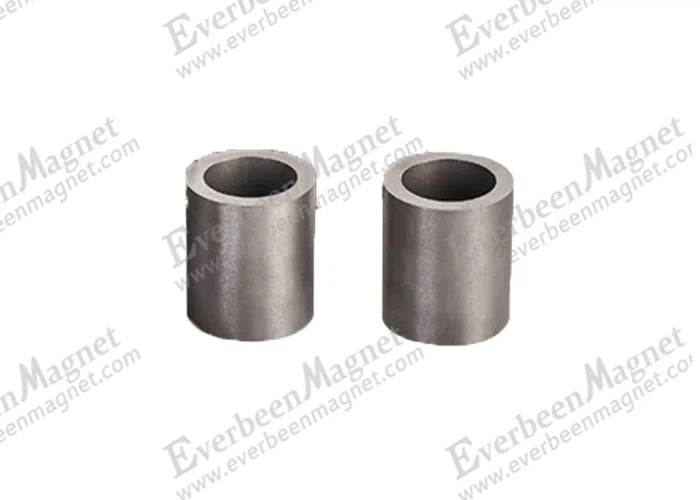
You can check out the types of Sm2Co17 magnets we offer, like Smco Ring Magnet and Smco Rod Magnets. These are just a couple of examples, but we've got a wide range of shapes and sizes to fit different needs.
Now, back to the recycling question. The short answer is yes, Sm2Co17 magnets can be recycled. But it's not as simple as just throwing them in a recycling bin. There are a few steps and considerations involved.
One of the main reasons recycling Sm2Co17 magnets is important is because they contain rare - earth elements. Samarium and cobalt, the two key components of Sm2Co17, are not exactly easy to come by. Samarium is a rare - earth metal, and cobalt is a critical metal with a lot of industrial uses. Mining these metals can be pretty tough on the environment, and it's also subject to geopolitical issues that can affect the supply chain. So, recycling these magnets helps to reduce our reliance on new mining and makes the most of the resources we already have.
The process of recycling Sm2Co17 magnets is a bit technical. First, the magnets need to be separated from whatever device they're in. This can be a tricky job, especially if the magnet is integrated into a complex piece of equipment. Once the magnets are separated, they go through a series of steps to break them down and recover the valuable elements.
One common method is called pyrometallurgical recycling. In this process, the magnets are heated up to very high temperatures in a furnace. The high heat causes the different components of the magnet to separate out based on their melting points. The samarium and cobalt, along with other elements, can then be collected and purified to be used again in the production of new magnets.
Another method is hydrometallurgical recycling. This involves using chemical solutions to dissolve the magnets. The dissolved metals are then separated out through a series of chemical reactions and purification steps. Both methods have their pros and cons, but they both aim to recover the precious rare - earth and non - rare - earth elements from the magnets.
There are some challenges when it comes to recycling Sm2Co17 magnets, though. One big issue is the cost. Recycling these magnets can be expensive because of the specialized equipment and processes involved. The market price of the recovered materials also plays a role. If the prices of samarium and cobalt are low, it might not be economically viable to recycle the magnets.
Another challenge is the collection of used magnets. Since Sm2Co17 magnets are used in such a wide variety of applications, it can be hard to track them down and gather them for recycling. Some industries are better at returning used magnets for recycling than others, but there's still a long way to go to improve the collection rate.

Despite these challenges, there's a growing interest in recycling Sm2Co17 magnets. Governments and industries are starting to realize the importance of resource conservation and reducing their environmental impact. There are also research efforts underway to make the recycling process more efficient and cost - effective. For example, scientists are looking for new chemical methods that can recover the elements more easily and with less waste.
As a supplier, I'm really excited about the potential of recycling. It not only helps the environment but also makes our supply chain more stable. By recycling Sm2Co17 magnets, we can ensure that we have a continuous supply of high - quality materials to make new magnets.
If you're in the market for Sm2Co17 magnets, whether it's for a small project or a large - scale industrial application, we've got you covered. Our magnets are made with the highest quality standards, and we're always looking for ways to improve our products and services. And if you've got any used Sm2Co17 magnets that you're thinking of getting rid of, we'd be happy to talk to you about the recycling options.
Recycling Sm2Co17 magnets is definitely possible, and it's an important part of the future of the magnet industry. It might have its challenges, but with the right efforts and investment, we can make it a more widespread and efficient practice. So, if you're interested in learning more about Sm2Co17 magnets or want to discuss a potential purchase, feel free to reach out. Let's work together to make the most of these amazing magnets and contribute to a more sustainable future.
References
- "Rare - Earth Magnet Recycling: Current Technologies and Future Directions" by some experts in the field
- Industry reports on rare - earth element recycling
- Research papers on the pyrometallurgical and hydrometallurgical recycling of Sm2Co17 magnets