

How does the capacity of a magnetic separator vary with different models?
Oct 16, 2025
Hey there! As a supplier of magnetic separators, I often get asked about how the capacity of these machines varies across different models. Well, let's dive right in and explore this topic together.
First off, what exactly is a magnetic separator? In simple terms, it's a device that uses magnetic forces to separate magnetic materials from non - magnetic ones. These machines are widely used in industries like mining, recycling, food processing, and many others. The capacity of a magnetic separator, which refers to the amount of material it can process in a given time, is influenced by several factors depending on the model.
Let's start with the Rare Earth Drum Magnetic Separator. This type of separator is known for its high - intensity magnetic field, which is generated by rare - earth magnets. The capacity of a rare - earth drum magnetic separator is mainly determined by the drum size and the speed of rotation.
A larger drum can hold more material at once, allowing for a higher throughput. For example, if you have a small - scale operation with a limited amount of material to process, a drum with a diameter of around 300 mm might be sufficient. But for large - scale industrial applications, drums with diameters of 600 mm or more are often used. The speed of rotation also plays a crucial role. A faster rotation speed can increase the rate at which the material passes through the magnetic field, but it also needs to be balanced. If the rotation is too fast, the magnetic force might not have enough time to effectively separate the magnetic particles from the non - magnetic ones.
Another important factor is the strength of the magnetic field. Rare - earth magnets used in these separators are extremely powerful, but the field strength can vary depending on the quality and arrangement of the magnets. A stronger magnetic field can attract magnetic particles more effectively, which can potentially increase the capacity by allowing for a more efficient separation process.
Now, let's talk about the Magnetic Separator For Belt Conveyor. This model is designed to be installed on a belt conveyor system, and its capacity is closely related to the conveyor's speed and width.
The width of the conveyor belt determines how much material can be carried at once. A wider belt can handle a larger volume of material, increasing the overall capacity of the magnetic separator. For instance, in a mining operation where large amounts of ore need to be processed, a wide - belt conveyor with a magnetic separator can significantly boost the throughput.
The speed of the conveyor belt also matters. A faster - moving belt can transport more material through the magnetic field in a given time. However, similar to the drum separator, if the belt moves too fast, the magnetic force might not be able to capture all the magnetic particles. So, finding the right balance between belt speed and magnetic field strength is essential for optimizing the capacity.
In addition, the height at which the magnetic separator is placed above the belt can affect the capacity. If it's placed too high, the magnetic field might not reach all the material on the belt, resulting in an incomplete separation. On the other hand, if it's placed too low, it could interfere with the normal operation of the conveyor.
Next up is the Neodymium Magnetic Rod Separator. This type of separator consists of multiple neodymium magnetic rods, and its capacity is influenced by the number and arrangement of the rods.
The more rods there are, the larger the surface area available for magnetic separation. For example, in a food processing plant where small magnetic contaminants need to be removed from a product, a separator with a higher number of rods can provide a more thorough separation. The arrangement of the rods also matters. A well - designed arrangement can ensure that the material passes through the magnetic field in an efficient manner, maximizing the capture of magnetic particles.
The diameter of the rods is another factor. Thicker rods generally have a stronger magnetic field, which can increase the capacity by attracting more magnetic particles. However, thicker rods also take up more space, so the design needs to balance the rod diameter with the overall size of the separator.
When choosing a magnetic separator, it's important to consider your specific application requirements. If you have a high - volume operation with a large amount of material to process, you'll need a model with a high capacity. But if you're dealing with a more delicate process where precision is key, you might prioritize other factors like the strength and uniformity of the magnetic field.
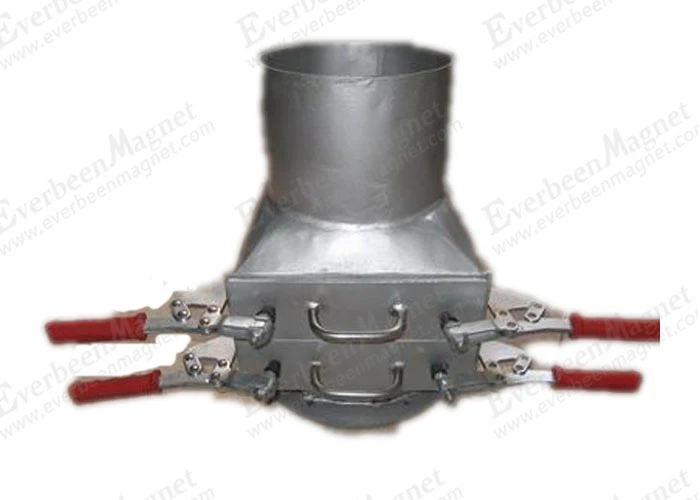

As a magnetic separator supplier, I've seen firsthand how different models can meet the diverse needs of our customers. Whether you're in the mining industry looking to separate valuable minerals from waste rock, or in the food industry trying to ensure product purity, there's a magnetic separator out there for you.
If you're interested in learning more about our magnetic separators or want to discuss which model would be the best fit for your operation, don't hesitate to reach out. We're here to help you make the right choice and optimize your separation process.
References:
- Industry research on magnetic separation technology
- Internal product documentation from our company's R & D department