

How to improve the corrosion resistance of smco ring magnets?
May 15, 2025
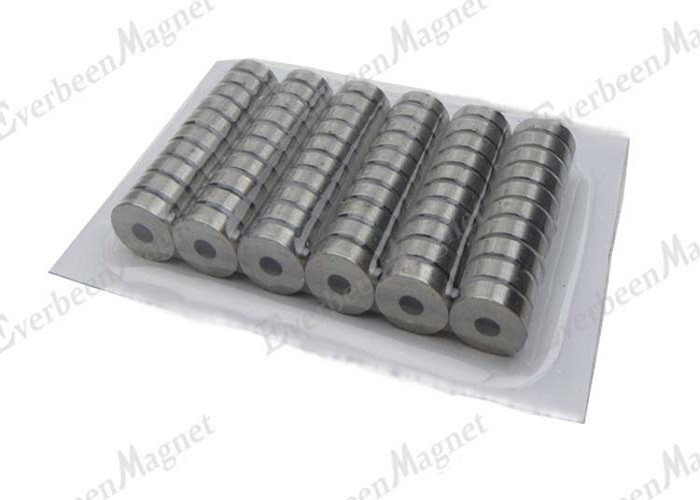
Hey there! I'm a supplier of Smco ring magnets, and today I wanna chat about how to improve the corrosion resistance of these awesome magnets. Smco ring magnets, you can check them out Smco Ring Magnet, are super useful in a bunch of applications because of their high magnetic properties. But one issue we often face is corrosion, which can mess up their performance over time.
Understanding the Corrosion Problem
First off, let's dig into why Smco ring magnets corrode. These magnets are made up of samarium, cobalt, and sometimes other elements. When they come into contact with moisture, oxygen, or certain chemicals in the environment, a chemical reaction happens. This reaction forms rust or other corrosion products on the surface of the magnet.

The corrosion not only makes the magnet look bad but also weakens its magnetic strength. You see, as the corrosion eats away at the magnet, it destroys the magnetic domains inside, and that means less magnetic power. It's like a slow but steady decline in performance, and that's definitely not what we want, especially when these magnets are used in high - tech devices where precision and reliability are key.
Surface Coating: A Top Solution
One of the most effective ways to improve the corrosion resistance of Smco ring magnets is through surface coating. There are several types of coatings we can use.
Epoxy Coating
Epoxy coating is a popular choice. It's a polymer - based coating that forms a protective layer on the surface of the magnet. The great thing about epoxy is that it's relatively easy to apply. We can dip the magnets in an epoxy solution or spray it on. Once it dries, it creates a tough, waterproof barrier that keeps moisture and oxygen away from the magnet.
Epoxy coatings also have good adhesion to the magnet surface, so they don't peel off easily. And they can be customized in terms of thickness and color. However, one downside is that epoxy coatings may not be as resistant to high - temperature environments as some other coatings.
Nickel Coating
Nickel coating is another option. It's a metallic coating that provides excellent corrosion resistance. Nickel is a very stable metal, and when it's coated on the Smco ring magnet, it acts as a sacrificial layer. That means it corrodes before the magnet itself does.
Nickel coating can be applied through electroplating, which gives a uniform and smooth finish. It also has good mechanical properties, so it can withstand some wear and tear. But nickel plating can be a bit more expensive than epoxy coating, and it requires more complex equipment and processes.
Parylene Coating
Parylene is a unique coating material. It's applied through a vapor deposition process, which allows it to form a conformal and extremely thin coating on the magnet surface. Parylene coatings are highly resistant to moisture, chemicals, and even some solvents.
They also have excellent dielectric properties, which makes them suitable for applications where electrical insulation is required. However, the equipment and process for applying parylene coatings are quite specialized and costly, so it's usually used in high - end applications.
Proper Packaging and Storage
Another important aspect is how we package and store the Smco ring magnets. Even with a good coating, if the magnets are not stored properly, they can still corrode.
When we package the magnets, we should use materials that are moisture - resistant. For example, we can use sealed plastic bags or containers with desiccants inside. Desiccants are substances that absorb moisture, like silica gel. By keeping the moisture level low around the magnets, we can significantly reduce the risk of corrosion.

During storage, we should also avoid exposing the magnets to harsh environments. That means keeping them away from areas with high humidity, saltwater, or strong chemicals. A cool, dry storage place is ideal. And if possible, we should store the magnets in an inert gas environment, like nitrogen. Nitrogen is an unreactive gas, so it won't cause any chemical reactions with the magnets.

Handling and Installation
How we handle and install the Smco ring magnets also matters. When we're handling the magnets, we should wear gloves to prevent sweat and oils from our hands from coming into contact with the magnet surface. Sweat contains salts and acids that can cause corrosion.
During installation, we need to be careful not to scratch the coating. A scratch in the coating can expose the magnet to the environment, making it vulnerable to corrosion. If we're using tools to install the magnets, we should make sure the tools are clean and don't have any corrosive substances on them.
Comparison with Smco Rod Magnets
Now, let's talk a bit about Smco Rod Magnets. The methods to improve corrosion resistance for Smco rod magnets are quite similar to those for Smco ring magnets. However, because of their different shapes, there might be some differences in the coating process.
For example, when applying a coating, the shape of the rod magnet might make it easier or more difficult to achieve a uniform coating compared to a ring magnet. Also, the way we package and store rod magnets might be a bit different due to their shape. But overall, the principles of protecting them from corrosion are the same.
Conclusion
Improving the corrosion resistance of Smco ring magnets is crucial for their long - term performance and reliability. By using proper surface coatings, packaging and storage methods, and being careful during handling and installation, we can significantly extend the lifespan of these magnets.
If you're in the market for high - quality Smco ring magnets or have any questions about improving their corrosion resistance, don't hesitate to reach out. We're here to help you get the best magnets for your applications. Whether you need a small batch for a prototype or a large - scale order for mass production, we've got you covered. Let's start a conversation and see how we can work together to meet your magnet needs.
References
- Handbook of Magnetic Materials
- Journal of Magnetism and Magnetic Materials
- Corrosion Science and Technology Journals