

How to protect smco ring magnets from demagnetization?
Aug 20, 2025
As a supplier of Smco ring magnets, I've seen firsthand how these powerful little magnets can be a game - changer in various industries. But here's the thing: they're not invincible. Demagnetization can be a real headache, and that's why I'm here to share some tips on how to protect your Smco ring magnets from losing their magnetic strength.
Understanding Smco Ring Magnets
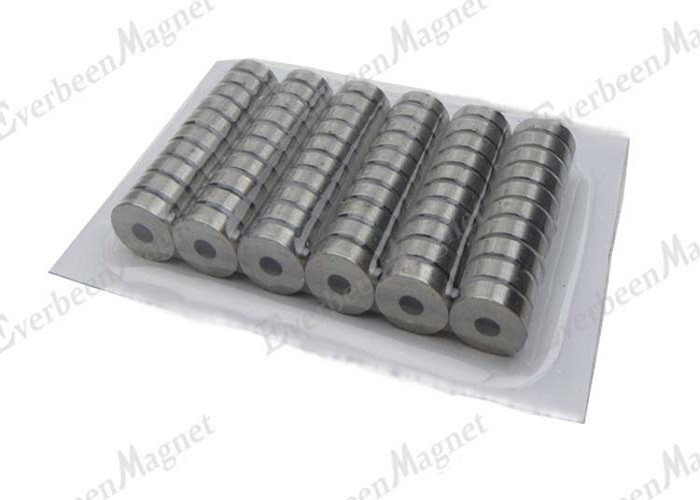
Before we dive into the protection methods, let's quickly talk about what Smco ring magnets are. Smco, or Samarium Cobalt, magnets are known for their high magnetic energy product, excellent temperature stability, and strong resistance to corrosion. They're used in a wide range of applications, from aerospace and defense to medical devices and high - tech consumer products. You can check out more about Smco Ring Magnet on our website.

Causes of Demagnetization
To protect Smco ring magnets, we first need to understand what causes them to lose their magnetism. There are a few main culprits:
High Temperatures
Smco magnets have a relatively high Curie temperature (the temperature at which a magnet loses its magnetic properties), but excessive heat can still cause demagnetization. When the temperature rises, the magnetic domains within the magnet start to become disordered, reducing the overall magnetic strength.
Strong External Magnetic Fields
If an Smco ring magnet is exposed to a strong external magnetic field in the opposite direction of its own field, it can disrupt the alignment of the magnetic domains. This can lead to partial or complete demagnetization, depending on the strength and duration of the external field.
Mechanical Shock and Vibration
Physical impacts, such as dropping or hitting the magnet, can cause the magnetic domains to shift out of alignment. Over time, repeated mechanical shock and vibration can gradually reduce the magnet's strength.
Protection Methods
Temperature Management
One of the most important things you can do to protect your Smco ring magnets is to manage the temperature. Make sure you know the maximum operating temperature of the magnets you're using. If you're working in a high - temperature environment, consider using heat - resistant materials or cooling systems to keep the magnets within their safe temperature range.
For example, in some industrial applications where the magnets are exposed to high - heat processes, using a heat - insulating sleeve around the magnet can help reduce the heat transfer. You can also use fans or liquid cooling systems to dissipate the heat and maintain a stable temperature.
Shielding from External Magnetic Fields
To protect Smco ring magnets from strong external magnetic fields, you can use magnetic shielding materials. These materials are designed to redirect the magnetic field lines away from the magnet, reducing the risk of demagnetization.
Soft magnetic materials like mu - metal are commonly used for magnetic shielding. You can create a shield around the magnet by enclosing it in a mu - metal box or using mu - metal sheets. This is especially important in applications where the magnet is close to other magnetic sources, such as in electronic devices or magnetic resonance imaging (MRI) machines.
Handling with Care
When it comes to mechanical shock and vibration, the key is to handle the magnets with care. Avoid dropping or hitting the magnets, and use proper mounting techniques to secure them in place.
If you need to move or install the magnets, use tools that are designed for handling magnets. For example, you can use magnetic handling equipment like magnetic tweezers or grippers to pick up and place the magnets without applying excessive force.
Storage Considerations
Proper storage is also crucial for protecting Smco ring magnets from demagnetization. Here are some storage tips:
Keep Them Away from Heat Sources
Just like in operation, you should store the magnets in a cool environment. Avoid storing them near heaters, furnaces, or other sources of high heat. A room - temperature storage area is usually ideal.
Separate Magnets
When storing multiple Smco ring magnets, make sure to separate them. If magnets are placed too close together, their magnetic fields can interact, causing demagnetization over time. You can use non - magnetic spacers or containers to keep the magnets apart.
Protect from Corrosion
Although Smco magnets have good corrosion resistance, it's still a good idea to protect them from moisture and corrosive substances. Store the magnets in a dry place, and if necessary, you can use a protective coating to prevent corrosion.
Regular Inspection and Testing
Finally, regular inspection and testing of your Smco ring magnets can help you catch any signs of demagnetization early. You can use a gaussmeter to measure the magnetic field strength of the magnets periodically. If you notice a significant decrease in the magnetic field strength, it may be a sign of demagnetization, and you can take appropriate action.
In addition to measuring the magnetic field strength, you should also visually inspect the magnets for any signs of damage, such as cracks or chips. Damaged magnets are more likely to experience demagnetization, so it's important to replace them if necessary.
Conclusion
Protecting Smco ring magnets from demagnetization is essential to ensure their long - term performance and reliability. By understanding the causes of demagnetization and implementing the right protection methods, you can extend the lifespan of your magnets and get the most out of their magnetic properties.
If you're interested in purchasing high - quality Smco ring magnets or need more information on how to protect them, feel free to reach out to us. We're always happy to help with your magnet needs and can provide you with the best solutions for your specific applications. And if you're also looking for other types of Smco magnets, check out our Smco Rod Magnets.
References
- Handbook of Magnetic Materials, edited by Klaus H. J. Buschow.
- Magnetic Materials and Their Applications by B. D. Cullity and C. D. Graham.