

How to re - magnetize an alnico magnet?
Sep 17, 2025
Hey there! As an alnico magnet supplier, I often get asked about how to re - magnetize an alnico magnet. So, I thought I'd put together this blog post to share some insights on the topic.
First off, let's understand what alnico magnets are. Alnico magnets are made from a combination of aluminum (Al), nickel (Ni), and cobalt (Co), along with other elements like copper and iron. They're known for their high magnetic strength at high temperatures and their excellent corrosion resistance. There are different types of alnico magnets, such as Sintered Alnico Magnets and Cast Magnets Alnico.
Now, why would you need to re - magnetize an alnico magnet? Well, over time, magnets can lose their magnetism due to various factors. Exposure to high temperatures, mechanical shock, or the presence of a strong opposing magnetic field can all cause a reduction in the magnet's strength. When this happens, re - magnetizing the magnet can restore its performance.
Understanding the Basics of Magnetization
Before we dive into the re - magnetization process, it's important to understand a bit about how magnetization works. Magnets have north and south poles, and the magnetic field is what causes them to attract or repel other magnets or magnetic materials. When you magnetize a material, you're essentially aligning the magnetic domains within it. These domains are like tiny magnets within the material, and when they're all lined up in the same direction, the material becomes a magnet.
The Re - Magnetization Process
Step 1: Safety First
Re - magnetizing a magnet can be a bit dangerous, especially if you're using high - powered equipment. Make sure you wear safety goggles and gloves to protect yourself from any potential hazards. Also, keep the magnet away from electronic devices, as the strong magnetic field can damage them.
Step 2: Determine the Magnet's Original Polarity
It's crucial to know the original polarity of the alnico magnet before you start re - magnetizing it. You can use a compass to figure this out. Place the compass near the magnet, and the needle will point towards the magnet's north pole. Mark the poles of the magnet clearly so you can re - magnetize it in the correct direction.
Step 3: Choose the Right Magnetizing Equipment
There are a few different ways to re - magnetize an alnico magnet. One option is to use a solenoid, which is a coil of wire that creates a magnetic field when an electric current passes through it. You can buy a solenoid specifically designed for magnetizing magnets, or you can make one yourself if you have the necessary skills and equipment.
Another option is to use a permanent magnet with a stronger magnetic field than the alnico magnet you want to re - magnetize. This method is simpler but may not be as effective for larger or more powerful alnico magnets.
Step 4: Re - Magnetize the Magnet
If you're using a solenoid, place the alnico magnet inside the solenoid. Make sure the magnet is aligned with the magnetic field of the solenoid in the correct direction (based on the polarity you determined earlier). Then, pass a high - current pulse through the solenoid. This will create a strong magnetic field that aligns the magnetic domains in the alnico magnet, restoring its magnetism.
If you're using a permanent magnet, place the alnico magnet in contact with the stronger permanent magnet. Rub the alnico magnet along the surface of the permanent magnet in one direction multiple times. This will help align the magnetic domains in the alnico magnet.
Step 5: Test the Magnet
After re - magnetizing the alnico magnet, test its strength. You can do this by using the magnet to pick up small magnetic objects like paper clips. If the magnet can pick up more objects than before, it means the re - magnetization process was successful.
Factors Affecting Re - Magnetization
There are a few factors that can affect the success of the re - magnetization process.
Temperature
Alnico magnets are known for their high - temperature stability, but extreme temperatures can still have an impact on the re - magnetization process. Make sure the magnet is at room temperature before you start re - magnetizing it. High temperatures can cause the magnetic domains to become more disordered, making it harder to align them.
Magnet Material and Quality
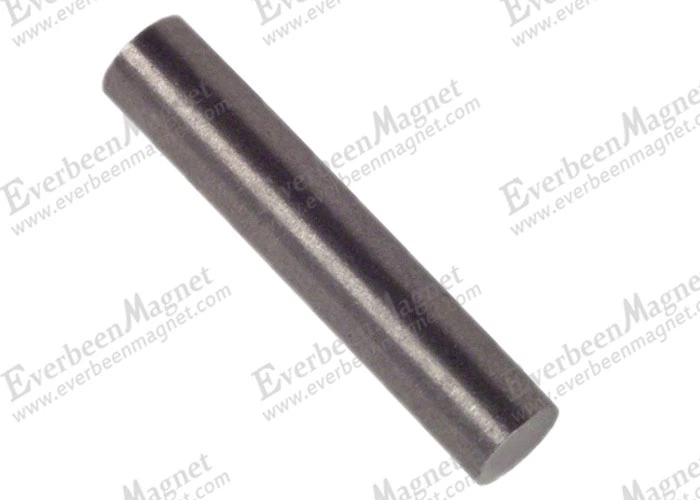
The quality of the alnico magnet itself can also affect the re - magnetization process. Higher - quality magnets are generally easier to re - magnetize because they have a more uniform structure and better - aligned magnetic domains. For example, Alnico 6 Bar Magnet has specific magnetic properties that may require a different approach compared to other types of alnico magnets.
Magnet Size and Shape
The size and shape of the magnet can also play a role. Larger magnets may require more powerful equipment to re - magnetize them effectively. Irregularly shaped magnets may also be more challenging to re - magnetize because it can be difficult to ensure that the magnetic field is evenly distributed throughout the magnet.
Troubleshooting
If the re - magnetization process doesn't seem to work, there are a few things you can try. First, double - check the polarity of the magnet and make sure you're re - magnetizing it in the correct direction. You may also need to increase the strength of the magnetic field used for re - magnetization. This could mean using a more powerful solenoid or a stronger permanent magnet.
Conclusion
Re - magnetizing an alnico magnet can be a bit tricky, but with the right knowledge and equipment, it's definitely doable. By following the steps outlined in this blog post, you can restore the performance of your alnico magnet and get it back to working like new.
If you're in the market for alnico magnets or have any questions about re - magnetizing them, I'd love to help. Whether you need Sintered Alnico Magnets, Cast Magnets Alnico, or Alnico 6 Bar Magnet, we've got you covered. Reach out to us to discuss your specific needs and start a procurement conversation.

References
- "Magnetism and Magnetic Materials" by David Jiles
- "Handbook of Magnetic Materials" edited by Klaus H. J. Buschow