

Is Sm2Co17 magnet corrosion - resistant?
Jun 26, 2025
Hey there! As a supplier of Sm2Co17 magnets, I often get asked whether these magnets are corrosion-resistant. It's a super important question, especially for those who plan to use these magnets in various applications. So, let's dig into this topic and find out the truth about the corrosion resistance of Sm2Co17 magnets.
First off, let's understand what Sm2Co17 magnets are. These are a type of rare-earth magnets, made from samarium (Sm) and cobalt (Co). They're known for their high energy product, excellent temperature stability, and strong coercivity. That means they can maintain their magnetic properties even under tough conditions, like high temperatures. They're used in a wide range of industries, from aerospace to electronics, because of these great features.
Now, let's talk about corrosion. Corrosion is basically the deterioration of a material due to chemical reactions with its environment. For magnets, corrosion can be a big problem because it can reduce their magnetic strength and lifespan. When a magnet corrodes, it loses its integrity, and that's not good news for any application that relies on its magnetic properties.
So, are Sm2Co17 magnets corrosion-resistant? Well, the short answer is yes, but with some caveats. Sm2Co17 magnets have a relatively good natural resistance to corrosion compared to other types of rare-earth magnets, like neodymium magnets. This is because the cobalt in the magnet forms a protective oxide layer on the surface, which helps to prevent further oxidation and corrosion.
However, this doesn't mean that Sm2Co17 magnets are completely immune to corrosion. In harsh environments, such as those with high humidity, saltwater, or strong chemicals, they can still corrode over time. For example, if you expose an Sm2Co17 magnet to saltwater for an extended period, the salt can break down the protective oxide layer and start to corrode the magnet.
To enhance the corrosion resistance of Sm2Co17 magnets, manufacturers often apply a protective coating. There are several types of coatings available, including nickel, epoxy, and zinc. These coatings act as an additional barrier between the magnet and the environment, reducing the risk of corrosion. For instance, a nickel coating can provide excellent protection against moisture and chemicals, while an epoxy coating can offer good mechanical protection.
When choosing a coating for your Sm2Co17 magnets, it's important to consider the specific application and environment. If the magnet will be used in a high-humidity environment, a nickel coating might be a good choice. On the other hand, if the magnet will be subjected to mechanical stress, an epoxy coating could be more suitable.
Another factor to consider is the quality of the coating. A poorly applied coating can actually increase the risk of corrosion, as it may have gaps or defects that allow the environment to reach the magnet. So, it's crucial to work with a reputable supplier who has experience in applying high-quality coatings.
Now, let's take a look at some of the applications where the corrosion resistance of Sm2Co17 magnets is particularly important. One such application is in the aerospace industry. In aerospace, magnets are used in a variety of components, such as sensors, actuators, and motors. These components need to be reliable and durable, even in harsh environments. The corrosion resistance of Sm2Co17 magnets makes them a great choice for these applications, as they can withstand the high temperatures, vibrations, and exposure to moisture and chemicals that are common in aerospace.
Another application is in the marine industry. In marine environments, magnets are used in navigation systems, propulsion systems, and other equipment. The saltwater and high humidity in these environments can be very corrosive, so corrosion-resistant magnets are essential. Sm2Co17 magnets, especially those with a proper protective coating, can provide the necessary durability and reliability in these conditions.
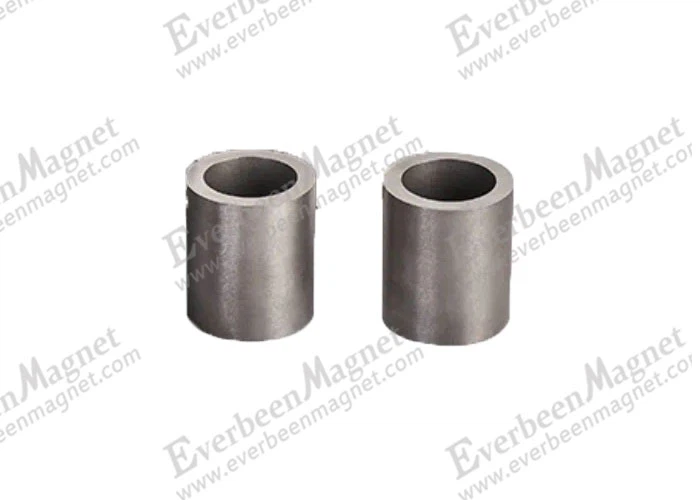
If you're in the market for Sm2Co17 magnets, we offer a wide range of products to meet your needs. Check out our Smco Rod Magnets and Smco Ring Magnet for more details.

In conclusion, Sm2Co17 magnets have a good natural resistance to corrosion, but they're not completely immune. To ensure their long-term performance and durability, it's important to choose the right protective coating and take proper care of them. If you have any questions about our Sm2Co17 magnets or need help choosing the right product for your application, don't hesitate to reach out. We're here to help you find the best solution for your needs. Whether you're a small business or a large corporation, we can provide you with high-quality Sm2Co17 magnets at competitive prices. Let's start a conversation and see how we can work together to meet your magnet requirements.
References:
- "Rare Earth Magnets: Principles and Applications" by John M. D. Coey
- "Magnetic Materials and Their Applications" by E. C. Stoner and E. P. Wohlfarth