

What factors affect the price of Sm2Co17 magnet?
Jul 25, 2025
Sm2Co17 magnets, known for their high energy product, excellent temperature stability, and strong corrosion resistance, are widely used in various high - tech fields such as aerospace, military, and precision instruments. As a supplier of Sm2Co17 magnets, I often encounter customers who are curious about what factors affect the price of these magnets. In this blog, I will delve into the key elements that contribute to the pricing of Sm2Co17 magnets.
1. Raw Material Costs
The most fundamental factor influencing the price of Sm2Co17 magnets is the cost of raw materials. Samarium (Sm) and cobalt (Co) are the primary raw materials for Sm2Co17 magnets. The prices of these rare earth metals are subject to significant fluctuations in the global market.
Samarium is a relatively rare element. Its extraction and purification processes are complex and costly. The availability of samarium is affected by mining regulations, geopolitical factors, and the overall supply - demand balance in the rare earth market. For example, if there are restrictions on rare earth mining in major producing countries, the supply of samarium will decrease, leading to an increase in its price.
Cobalt is another critical component. It is also used in many other industries, such as battery manufacturing. The growing demand for electric vehicles has led to a surge in the demand for cobalt, which in turn affects its price. When the price of cobalt rises in the global market, the cost of producing Sm2Co17 magnets also increases, and this is reflected in the final price of the magnets.
2. Manufacturing Process Complexity
The production of Sm2Co17 magnets involves a series of complex manufacturing processes, and the complexity of these processes has a direct impact on the price.
- Powder Preparation: The first step in manufacturing Sm2Co17 magnets is to prepare the alloy powder. This requires precise control of the composition and particle size of the powder. Advanced powder - making technologies, such as gas atomization, are often used to ensure the quality of the powder. These technologies require expensive equipment and high - level technical expertise, which adds to the production cost.
- Pressing and Sintering: After the powder is prepared, it needs to be pressed into the desired shape and then sintered at high temperatures. The pressing process requires specialized molds, and the sintering process needs to be carried out in a controlled atmosphere to prevent oxidation and ensure the density and magnetic properties of the magnets. Any deviation in these processes can lead to defective products, increasing the overall cost.
- Machining and Finishing: Once the sintered magnets are obtained, they often need to be machined to meet the specific dimensional requirements of customers. Machining Sm2Co17 magnets is a challenging task due to their high hardness and brittleness. Specialized cutting and grinding tools are required, and the machining process needs to be carefully controlled to avoid cracking or chipping. Additionally, surface finishing processes, such as coating or plating, are often carried out to improve the corrosion resistance of the magnets, which also adds to the cost.
3. Magnetic Performance Requirements
The magnetic performance of Sm2Co17 magnets is a crucial factor in determining their price. Different applications have different requirements for magnetic properties, such as remanence (Br), coercivity (Hc), and energy product (BH)max.
Magnets with higher magnetic performance generally require more precise control of the manufacturing process and higher - quality raw materials. For example, if a customer needs Sm2Co17 magnets with a very high energy product, the manufacturer may need to use a higher - purity samarium - cobalt alloy and optimize the manufacturing process to achieve the desired performance. This leads to an increase in production cost and, consequently, a higher price for the magnets.

4. Market Demand and Supply
The basic economic principle of supply and demand also plays a significant role in determining the price of Sm2Co17 magnets.
When the demand for Sm2Co17 magnets in the market is high, such as in the development of new aerospace projects or high - end medical equipment, the price tends to rise. On the other hand, if the supply of these magnets is abundant, perhaps due to increased production capacity in the industry, the price may decrease.
The market demand is also affected by the development of alternative technologies. If new types of magnets with similar or better performance are developed at a lower cost, the demand for Sm2Co17 magnets may decline, putting downward pressure on their price.
5. Customization Requirements
Many customers require customized Sm2Co17 magnets to meet their specific application needs. Customization can include unique shapes, sizes, and magnetic orientations.
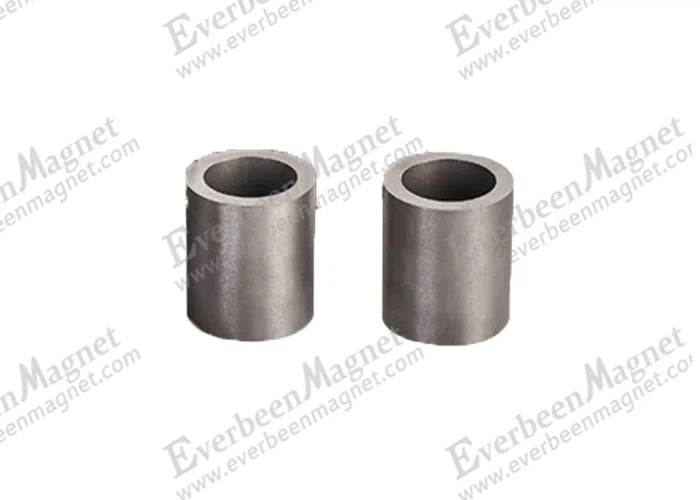
- Shape and Size: Producing magnets in non - standard shapes and sizes often requires the design and manufacturing of special molds and fixtures. For example, Smco Ring Magnet and Smco Rod Magnets with specific dimensions may need customized production processes, which increase the cost.
- Magnetic Orientation: Some applications require magnets with a specific magnetic orientation. Achieving the desired magnetic orientation requires additional processing steps, such as magnetic field alignment during the pressing process, which also adds to the production cost.
6. Quality Assurance and Certification
In high - tech industries, quality assurance is of utmost importance. Customers often require Sm2Co17 magnets to meet certain international standards and certifications.
Manufacturers need to invest in quality control equipment and testing procedures to ensure that the magnets meet the required specifications. This includes magnetic property testing, chemical composition analysis, and mechanical property testing. Obtaining relevant certifications, such as ISO 9001, also requires additional resources and costs. These quality - related expenses are factored into the price of the magnets.
7. Transportation and Logistics
The cost of transporting Sm2Co17 magnets from the manufacturing facility to the customer also affects the final price.
Sm2Co17 magnets are often considered high - value products, and special packaging and transportation methods are required to ensure their safety during transit. Additionally, international shipping may involve customs duties, tariffs, and other fees, especially when exporting to different countries. The distance between the manufacturer and the customer also plays a role; longer distances generally result in higher transportation costs.
In conclusion, the price of Sm2Co17 magnets is affected by multiple factors, including raw material costs, manufacturing process complexity, magnetic performance requirements, market supply and demand, customization needs, quality assurance, and transportation logistics. As a supplier, we strive to optimize our production processes, source raw materials at a reasonable cost, and provide high - quality products to our customers.
If you are interested in purchasing Sm2Co17 magnets or have any questions about their pricing and performance, please feel free to contact us for further discussion and negotiation. We are committed to providing you with the best solutions for your magnet needs.
References
- "Rare Earth Permanent Magnets: Principles and Applications" by J. M. D. Coey
- "Magnetism and Magnetic Materials" by David Jiles
- Industry reports on rare earth metals and magnet manufacturing