

What is the coercivity of y30 ferrite magnet?
Oct 28, 2025
Hey there! As a supplier of Y30 ferrite magnets, I often get asked about the coercivity of these little powerhouses. So, let's dive right in and break down what coercivity means for Y30 ferrite magnets.
First off, what's coercivity anyway? In simple terms, coercivity is a measure of a magnet's ability to resist demagnetization. You know how sometimes you might accidentally expose a magnet to a strong magnetic field or high temperatures, and it loses some of its magnetism? Well, coercivity tells us how much of a beating a magnet can take before it starts to lose its magnetic strength.
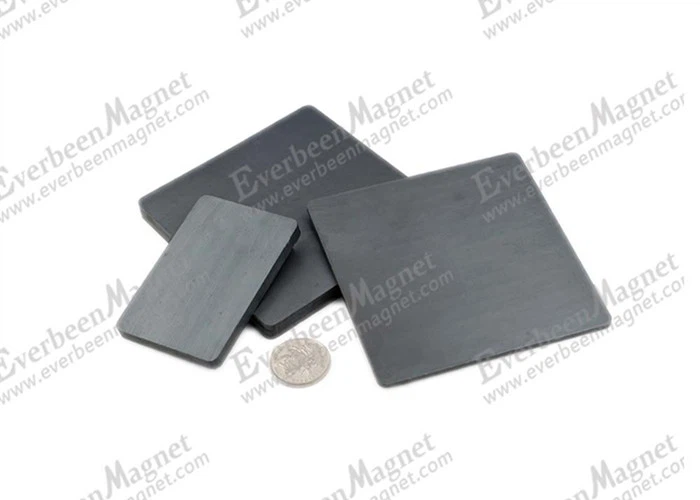
Now, let's talk about Y30 ferrite magnets specifically. Y30 ferrite magnets are a type of ceramic magnet made from iron oxide and barium or strontium carbonate. They're known for being relatively inexpensive, corrosion-resistant, and having good magnetic properties. But when it comes to coercivity, how do they stack up?
The coercivity of Y30 ferrite magnets typically falls in the range of around 200 - 240 kA/m (kiloamperes per meter). This means that they have a decent amount of resistance to demagnetization, but they're not the strongest out there. For comparison, neodymium magnets, which are much more powerful, can have coercivities in the thousands of kA/m.
So, what does this mean for practical applications? Well, if you're using Y30 ferrite magnets in an environment where they're likely to be exposed to strong external magnetic fields or high temperatures, you need to be a bit careful. For example, if you're using them in a motor or a generator, there might be other magnetic fields present that could potentially demagnetize the Y30 ferrite magnets over time. However, in many common applications where the magnetic environment is relatively stable, Y30 ferrite magnets work just fine.
One of the great things about Y30 ferrite magnets is their versatility. They're used in a wide range of applications, from small consumer products to large industrial machinery. You can find them in things like speakers, magnetic separators, and even some types of sensors. And because they're relatively inexpensive, they're a popular choice for many manufacturers looking for a cost-effective magnetic solution.
If you're in the market for Y30 ferrite magnets, you might also be interested in our other ferrite magnet products. We offer Ferrite Segment Magnets, which are great for applications where you need a custom-shaped magnet. These magnets can be used in motors, generators, and other rotating equipment.
We also have Ceramic Industrial Magnets, which are designed for heavy-duty industrial applications. These magnets are known for their durability and high magnetic performance, making them ideal for use in things like magnetic lifters and magnetic chucks.
And of course, we can't forget about Ferrite Block Magnets. These are simple, yet effective magnets that are used in a variety of applications, from holding things in place to magnetic therapy products.
Now, let's talk about some of the factors that can affect the coercivity of Y30 ferrite magnets. One of the biggest factors is temperature. As the temperature increases, the coercivity of Y30 ferrite magnets generally decreases. This means that if you're using them in a high-temperature environment, you need to make sure that the magnet is designed to handle the heat. Otherwise, it could start to lose its magnetic strength over time.
Another factor is the presence of other magnetic fields. If a Y30 ferrite magnet is exposed to a strong external magnetic field, it can cause the magnet to become demagnetized. This is why it's important to keep Y30 ferrite magnets away from other strong magnets or magnetic sources.
So, how can you ensure that your Y30 ferrite magnets maintain their coercivity? Well, one of the best ways is to store them properly. Make sure that they're stored in a cool, dry place away from other magnetic sources. You should also avoid subjecting them to sudden temperature changes or mechanical shocks, as these can also affect their magnetic properties.
When it comes to using Y30 ferrite magnets in your applications, it's important to do your research and make sure that they're the right choice for your needs. Consider the magnetic environment, the temperature requirements, and the overall performance that you need. And if you have any questions or need help choosing the right magnet, don't hesitate to reach out to us.
As a supplier of Y30 ferrite magnets, we're committed to providing our customers with high-quality products and excellent customer service. We have a team of experts who can help you with everything from selecting the right magnet to providing technical support. So, if you're interested in learning more about Y30 ferrite magnets or any of our other products, please don't hesitate to contact us for a quote or to discuss your specific requirements.
In conclusion, the coercivity of Y30 ferrite magnets is an important factor to consider when using them in your applications. While they have a decent amount of resistance to demagnetization, they're not the strongest magnets out there. By understanding the factors that can affect their coercivity and taking the necessary precautions, you can ensure that your Y30 ferrite magnets perform well and last for a long time.

If you're in the market for Y30 ferrite magnets or any of our other ferrite magnet products, we'd love to hear from you. Whether you're a small business owner or a large industrial manufacturer, we have the products and expertise to meet your needs. So, don't hesitate to get in touch and start the conversation about your next magnetic project.
References:
- "Magnetics Handbook" by Arnold Magnetic Technologies
- "Handbook of Magnetic Materials" edited by K. H. J. Buschow