

What is the difference between smco disc magnets and neodymium disc magnets?
Jul 23, 2025
As a supplier of SmCo disc magnets, I've often been asked about the differences between SmCo disc magnets and neodymium disc magnets. In this blog, I'll delve into the key aspects that set these two types of magnets apart, covering their composition, properties, applications, and more.
Composition
The first significant difference lies in their composition. Neodymium disc magnets are made primarily of an alloy of neodymium (Nd), iron (Fe), and boron (B), commonly known as NdFeB magnets. This alloy was developed in the 1980s and has since become the most widely used rare - earth magnet due to its high magnetic strength.
On the other hand, SmCo disc magnets are composed of samarium (Sm) and cobalt (Co). There are two main types of SmCo magnets: SmCo5 and Sm2Co17. The SmCo5 magnets have a 1:5 ratio of samarium to cobalt, while Sm2Co17 magnets have a 2:17 ratio. This difference in chemical makeup is the root cause of many of the other disparities between the two magnet types.
Magnetic Properties
Magnetic Strength
Neodymium disc magnets are known for their extremely high magnetic strength. They have the highest energy product (BH)max among all commercially available magnets. This means they can generate a very strong magnetic field in a relatively small volume. For applications where a high magnetic force is required in a compact space, such as in small motors or magnetic separators, neodymium magnets are often the first choice.
SmCo disc magnets, while not as strong as neodymium magnets in terms of raw magnetic force, still offer a respectable magnetic strength. Their energy product is lower than that of neodymium magnets, but they have other properties that make them suitable for specific applications.
Temperature Stability
One of the most notable differences between the two is their temperature stability. Neodymium magnets have a relatively low Curie temperature, typically around 310 - 400°C. The Curie temperature is the temperature at which a magnet loses its permanent magnetic properties. At elevated temperatures, neodymium magnets can experience a significant reduction in magnetic strength.
In contrast, SmCo disc magnets have a much higher Curie temperature, usually above 700°C. This makes them highly resistant to demagnetization at high temperatures. They can maintain their magnetic properties in environments where neodymium magnets would fail. For example, in aerospace applications, where components are exposed to high - temperature conditions during flight, SmCo magnets are preferred.
Corrosion Resistance
Neodymium magnets are prone to corrosion. The iron in the NdFeB alloy is susceptible to oxidation, especially in humid or corrosive environments. To protect neodymium magnets from corrosion, they often need to be coated with materials such as nickel, zinc, or epoxy.
SmCo disc magnets, however, have excellent corrosion resistance. The cobalt in the SmCo alloy provides a natural barrier against oxidation, so they do not require additional coatings in most cases. This makes them more suitable for applications in harsh environments, such as marine or chemical processing industries.
Applications
Neodymium Disc Magnets
The high magnetic strength of neodymium disc magnets makes them ideal for a wide range of applications. In the electronics industry, they are used in hard disk drives, speakers, and headphones. Their small size and strong magnetic field allow for the miniaturization of these devices.
In the automotive industry, neodymium magnets are used in electric power steering systems, hybrid and electric vehicle motors, and sensors. They help to improve the efficiency and performance of these systems.
SmCo Disc Magnets
Due to their high - temperature stability and corrosion resistance, SmCo disc magnets are commonly used in aerospace and military applications. They are used in aircraft engines, where they can withstand the high - temperature and high - vibration conditions. They are also used in satellite systems, where the harsh space environment requires materials with excellent stability.
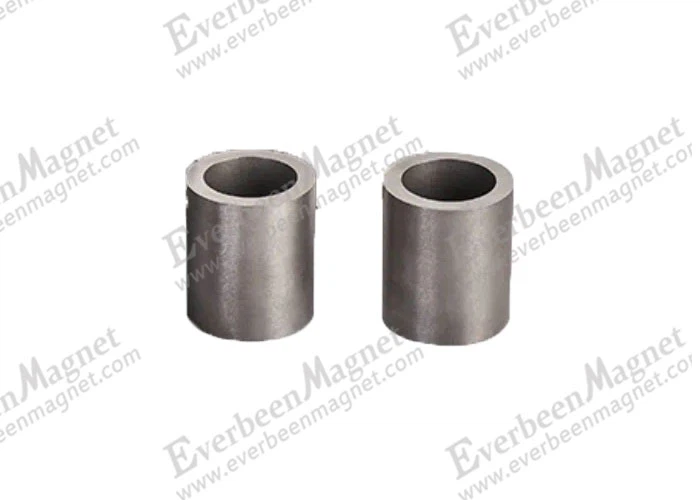
In the medical field, SmCo magnets are used in magnetic resonance imaging (MRI) machines. Their high - temperature stability and reliability are crucial for the accurate operation of these complex medical devices. Additionally, they are used in Smco Rod Magnets and Smco Ring Magnet configurations for various specialized applications.

Cost
The cost is another factor that differentiates SmCo disc magnets from neodymium disc magnets. Neodymium magnets are generally more cost - effective, especially for large - scale applications. The raw materials for neodymium magnets are more abundant, and the manufacturing process is well - established, which helps to keep the cost down.
SmCo magnets, on the other hand, are more expensive. The raw materials, samarium and cobalt, are less abundant, and the manufacturing process is more complex. However, for applications where the unique properties of SmCo magnets are essential, the higher cost is often justified.
Manufacturing and Machining
Manufacturing
The manufacturing processes for neodymium and SmCo disc magnets are similar in some ways but also have differences. Both are typically produced using powder metallurgy techniques. The raw materials are first melted and then crushed into fine powders. The powders are then pressed into the desired shape and sintered at high temperatures.
However, the sintering process for SmCo magnets requires more precise control due to their higher melting points and different alloy compositions. This can make the manufacturing of SmCo magnets more challenging and time - consuming.
Machining
Neodymium magnets are relatively brittle and can crack or chip easily during machining. Specialized machining techniques and tools are required to work with them. Any damage during machining can affect the magnetic performance of the magnet.
SmCo disc magnets are also brittle, but they are generally more machinable than neodymium magnets. They can be cut, drilled, and ground with more ease, although still with the need for proper handling to avoid damage.
Conclusion
In summary, while both SmCo disc magnets and neodymium disc magnets are rare - earth magnets, they have distinct differences in composition, magnetic properties, applications, cost, and manufacturing. Neodymium magnets are favored for their high magnetic strength and cost - effectiveness in many general - purpose applications. SmCo disc magnets, with their high - temperature stability, corrosion resistance, and better machinability in some cases, are the go - to choice for specialized applications in harsh or high - temperature environments.
If you are in need of SmCo disc magnets for your specific application, I encourage you to reach out for a detailed discussion. We can provide you with high - quality SmCo disc magnets tailored to your requirements. Whether it's for aerospace, medical, or other industries, we have the expertise and resources to meet your needs. Contact us to start a procurement negotiation and find the best magnetic solution for your project.
References
- "Permanent Magnet Materials and Their Applications" by E. C. Stoner and E. P. Wohlfarth
- "Magnetism and Magnetic Materials" by David Jiles
- Industry reports on rare - earth magnets from market research firms.