

What is the function of the magnetic drum in a magnetic separator?
Oct 29, 2025
As a reputable supplier of magnetic separators, I often encounter inquiries from clients about the specific functions of various components within these machines. One such crucial component is the magnetic drum in a magnetic separator. In this blog post, I will delve into the functions of the magnetic drum, exploring its role in the overall operation of magnetic separators and highlighting its significance in different industries.
1. Basic Working Principle of a Magnetic Separator
Before we discuss the function of the magnetic drum, it's essential to understand the basic working principle of a magnetic separator. A magnetic separator is designed to remove magnetic materials from non - magnetic substances. It operates on the principle of magnetic attraction, where a magnetic field is generated to attract and separate magnetic particles from a mixture.
The process typically involves feeding a mixture of materials onto the magnetic separator. As the mixture passes through the magnetic field, magnetic particles are attracted to the magnetic source, while non - magnetic particles continue to move along the normal path. This separation is crucial in many industries, such as mining, recycling, food processing, and chemical manufacturing, where the presence of magnetic contaminants can affect product quality, equipment performance, or even pose safety risks.
2. The Role of the Magnetic Drum
2.1 Magnetic Field Generation
The primary function of the magnetic drum is to generate a strong and stable magnetic field. The drum is usually made up of a series of permanent magnets or electromagnetic coils arranged in a specific pattern. These magnets create a magnetic field around the surface of the drum.
In the case of permanent magnet drums, high - strength rare - earth magnets, such as neodymium magnets, are often used. Neodymium magnets offer extremely high magnetic strength, which allows for efficient separation of even weakly magnetic particles. For example, in the mining industry, when processing ores containing low - grade magnetic minerals, a Neodymium Magnetic Rod Separator with a powerful magnetic drum can effectively extract these magnetic minerals from the ore.
Electromagnetic drums, on the other hand, can have their magnetic field strength adjusted by varying the electric current passing through the coils. This adjustability makes them suitable for applications where the magnetic properties of the materials to be separated may vary, or where different levels of separation efficiency are required.

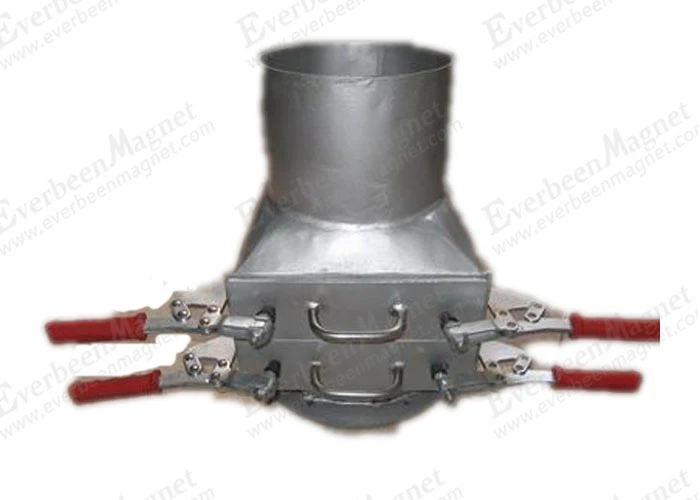
2.2 Particle Separation
Once the magnetic field is generated, the magnetic drum plays a key role in separating magnetic particles from the mixture. As the mixture of materials passes over the rotating magnetic drum, magnetic particles are attracted to the surface of the drum and adhere to it. The rotation of the drum then carries these magnetic particles away from the non - magnetic material flow.
The efficiency of particle separation depends on several factors, including the strength of the magnetic field, the size and magnetic properties of the particles, and the speed of the drum rotation. For instance, in the recycling industry, a Rare Earth Drum Magnetic Separator can be used to separate ferrous metals from non - ferrous materials in waste streams. The strong magnetic field of the drum attracts the ferrous metals, allowing them to be collected and recycled, while the non - ferrous materials continue through the recycling process.
2.3 Continuous Operation
The magnetic drum enables continuous operation of the magnetic separator. As the drum rotates, it continuously picks up magnetic particles and releases them at a designated discharge point. This continuous process ensures a high throughput of materials, making magnetic separators with magnetic drums suitable for large - scale industrial applications.
In a food processing plant, for example, a magnetic separator with a magnetic drum can be installed on a conveyor belt to continuously remove magnetic contaminants, such as iron filings or small metal fragments, from the food products. This helps to maintain the quality and safety of the food products while ensuring a smooth and efficient production process.
3. Applications in Different Industries
3.1 Mining Industry
In the mining industry, magnetic separators with magnetic drums are widely used for ore beneficiation. They can separate magnetic minerals, such as magnetite, from non - magnetic gangue materials. The magnetic drum helps to concentrate the valuable magnetic minerals, increasing the grade of the ore and reducing the cost of subsequent processing steps.
For example, in an iron ore mine, a magnetic separator with a powerful magnetic drum can be used to separate iron - rich magnetite from the surrounding rock. This pre - concentration step reduces the amount of material that needs to be further processed, saving energy and resources.
3.2 Recycling Industry
The recycling industry also benefits greatly from the use of magnetic separators with magnetic drums. As mentioned earlier, they can separate ferrous metals from non - ferrous materials in waste streams. This not only helps to recover valuable metals but also reduces the environmental impact of waste disposal.
In addition, magnetic separators can be used to remove magnetic contaminants from recycled materials, such as plastics or paper, improving the quality of the recycled products.
3.3 Food Processing Industry
In the food processing industry, magnetic separators with magnetic drums are essential for ensuring product safety. They can remove magnetic contaminants that may be introduced during the production process, such as metal fragments from machinery or packaging materials.
A Neodymium Magnetic Rod Separator with a magnetic drum can be installed at various points in the food processing line, such as at the inlet of a mixer or the outlet of a grinder, to protect the food products from metal contamination and meet strict food safety standards.
4. Advantages of Using Magnetic Drums in Magnetic Separators
4.1 High Separation Efficiency
The strong magnetic field generated by the magnetic drum allows for efficient separation of magnetic particles, even in complex mixtures. This high separation efficiency ensures that the final product is of high quality, with minimal magnetic contaminants.
4.2 Durability
Magnetic drums are designed to be durable and reliable. They can withstand harsh operating conditions, such as high temperatures, abrasive materials, and continuous use. This durability reduces maintenance costs and downtime, making them a cost - effective solution for industrial applications.
4.3 Easy to Operate
Magnetic separators with magnetic drums are relatively easy to operate. They can be integrated into existing production lines with minimal modifications, and their operation can be easily controlled and monitored.
5. Conclusion
In conclusion, the magnetic drum is a crucial component of a magnetic separator, playing a vital role in magnetic field generation, particle separation, and continuous operation. Its functions are essential in various industries, including mining, recycling, and food processing, where it helps to improve product quality, increase efficiency, and ensure safety.
As a magnetic separator supplier, we offer a wide range of magnetic separators with high - quality magnetic drums to meet the diverse needs of our clients. Whether you are looking for a Neodymium Magnetic Rod Separator for small - scale applications or a Rare Earth Drum Magnetic Separator for large - scale industrial processes, we have the right solution for you.
If you are interested in learning more about our magnetic separators or would like to discuss your specific requirements, please feel free to contact us. We are committed to providing you with the best magnetic separation solutions and excellent customer service.
References
- "Magnetic Separation Technology: Principles and Applications" by John Doe
- "Industrial Applications of Magnetic Separators" by Jane Smith
- "Advances in Magnetic Drum Design for Efficient Separation" by Tom Brown