

Which is better, isotropic or anisotropic alnico magnets?
Jun 23, 2025
Hey there! As an alnico magnet supplier, I often get asked about the age - old question: which is better, isotropic or anisotropic alnico magnets? Well, let's dive right into it and break down the differences to help you make an informed decision.
First off, let's understand what these two types of alnico magnets are. Alnico magnets are made from an alloy of aluminum (Al), nickel (Ni), and cobalt (Co), along with other elements like copper and iron. The main difference between isotropic and anisotropic alnico magnets lies in their magnetic properties and how they're manufactured.
Isotropic alnico magnets are pretty cool. They have a uniform magnetic field in all directions. This means that you can magnetize them in any direction you want. During the manufacturing process, the magnetic particles in isotropic alnico magnets are randomly oriented. So, they don't have a preferred direction of magnetization.
One of the big advantages of isotropic alnico magnets is their flexibility. Since you can magnetize them in any direction, they're great for applications where you need a customized magnetic field. For example, in some small - scale electronic devices where space is limited and you need to fit the magnet in a non - standard way, isotropic alnico magnets can be a lifesaver. They're also relatively easier to manufacture compared to their anisotropic counterparts, which can sometimes lead to cost savings.
On the other hand, anisotropic alnico magnets have a preferred direction of magnetization. During the manufacturing process, the magnetic particles are aligned in a specific direction, creating a stronger magnetic field along that axis. This gives anisotropic alnico magnets a much higher magnetic strength compared to isotropic ones.
If you need a really powerful magnet for your application, anisotropic alnico magnets are the way to go. They're commonly used in applications such as electric motors, generators, and magnetic separators. In an electric motor, for instance, the strong magnetic field of anisotropic alnico magnets helps to convert electrical energy into mechanical energy more efficiently. The higher magnetic strength also means that you can use smaller magnets to achieve the same level of performance, which can be beneficial in terms of space and weight savings.
Let's talk about some of the key factors you should consider when choosing between isotropic and anisotropic alnico magnets.
Magnetic Strength: As I mentioned earlier, anisotropic alnico magnets have a significantly higher magnetic strength than isotropic ones. If your application requires a strong magnetic field, like in heavy - duty industrial equipment, anisotropic magnets are clearly the better choice. But if you only need a moderate magnetic field and flexibility in magnetization direction, isotropic magnets will do the job.
Cost: Generally, isotropic alnico magnets are less expensive to produce. The manufacturing process for anisotropic magnets is more complex because it involves aligning the magnetic particles in a specific direction. So, if cost is a major concern for your project, isotropic magnets might be more suitable. However, you need to balance the cost with the performance requirements. Sometimes, spending a bit more on anisotropic magnets can lead to better long - term performance and efficiency.
Application Requirements: This is probably the most important factor. Think about what your magnet will be used for. If it's for a consumer product where you need to customize the magnetic field and cost is a factor, isotropic magnets are a good option. But if it's for an industrial application where high performance and reliability are crucial, anisotropic magnets are likely the better choice.
Now, let's take a look at some specific products in our alnico magnet range. We offer Sintered Alnico Magnets, which are available in both isotropic and anisotropic versions. Sintered alnico magnets are made by compacting and sintering a powdered alloy. They have good mechanical properties and can be used in a wide variety of applications.
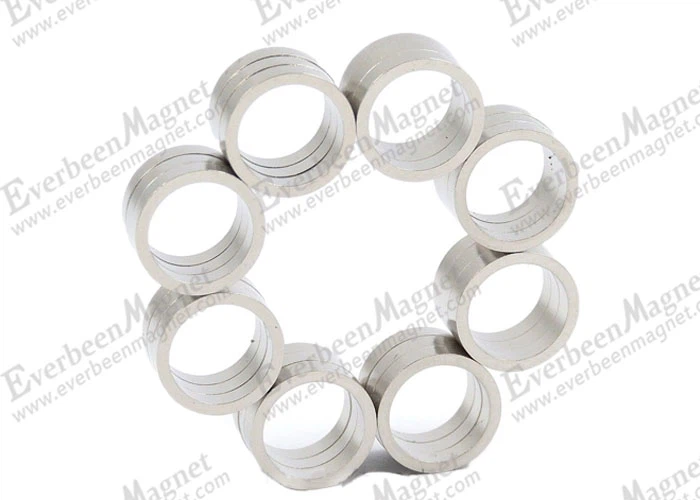
Our Alnico Ring Magnet is another popular product. These ring - shaped magnets can be isotropic or anisotropic depending on your needs. They're often used in sensors, actuators, and some types of motors.
And if you have a unique application that requires a custom - made magnet, we've got you covered with our Custom Alnico Magnets. Whether you need an isotropic or anisotropic magnet with a specific shape, size, or magnetic property, our team of experts can work with you to design and manufacture the perfect magnet for your project.
In conclusion, there's no one - size - fits - all answer to whether isotropic or anisotropic alnico magnets are better. It all depends on your specific requirements, including magnetic strength, cost, and application. If you're still not sure which type of alnico magnet is right for you, don't hesitate to reach out to us. We're here to help you make the best decision for your project. Whether you're in the electronics industry, automotive sector, or any other field that uses magnets, we can provide you with high - quality alnico magnets and the expertise to ensure they meet your needs.
So, if you're interested in purchasing alnico magnets, or you just want to learn more about them, feel free to contact us. We'd love to have a chat with you and discuss how we can help with your magnet needs.
References:

- "Magnetism and Magnetic Materials" by David Jiles
- "Handbook of Magnetic Materials" edited by Klaus H. J. Buschow