

How does the quality of a large ceramic magnet vary among different manufacturers?
Sep 16, 2025
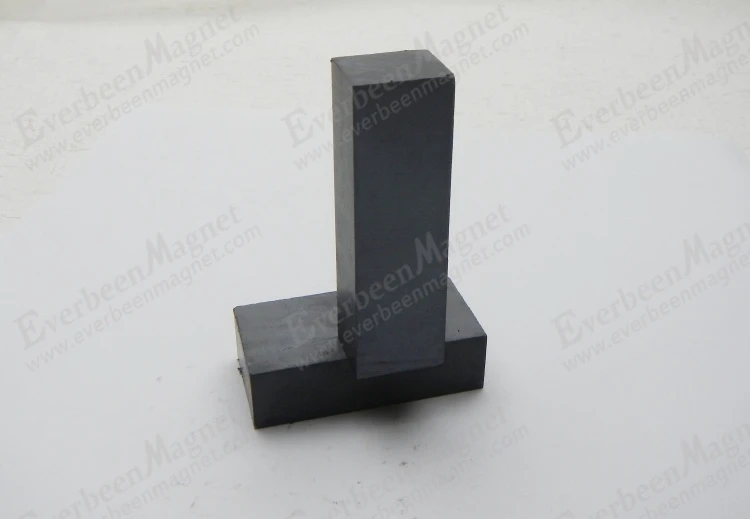
Hey there! I'm a supplier of large ceramic magnets, and I've seen firsthand how the quality of these magnets can vary big time among different manufacturers. In this blog, I'm gonna break down the factors that cause these differences and why it matters to you, whether you're in the market for Rectangular Ceramic Magnets, Ceramic Bar Magnets, or Ceramic 8 Magnet.
Raw Materials
The quality journey of a large ceramic magnet starts with the raw materials. Different manufacturers source their materials from various places, and the quality of these materials can vary significantly. High - quality raw materials usually contain the right proportion of key elements like iron oxide and barium or strontium carbonate.
Some manufacturers cut corners by using lower - grade raw materials. These cheaper materials might have impurities or inconsistent particle sizes. Impurities can weaken the magnetic properties of the final product. For example, if there are too many non - magnetic particles in the mix, the magnet won't be as strong as it should be. And inconsistent particle sizes can lead to an uneven distribution of magnetic domains within the magnet, resulting in a less uniform magnetic field.
On the other hand, top - notch manufacturers invest in high - purity raw materials. They work closely with reliable suppliers to ensure a consistent quality of input. This attention to the starting materials sets the foundation for a high - quality large ceramic magnet.
Manufacturing Processes
The way a large ceramic magnet is made also plays a huge role in its quality. There are several steps in the manufacturing process, and each one can impact the final product.
Mixing
The first step is mixing the raw materials. A good manufacturer will use advanced mixing techniques to ensure that all the components are evenly distributed. This is crucial because an uneven mix can lead to variations in the magnetic properties across the magnet. Some manufacturers might use simple, old - fashioned mixing methods that don't achieve the same level of homogeneity.
Pressing
Pressing is when the mixed materials are formed into the desired shape. The pressure applied during pressing affects the density of the magnet. If the pressure is too low, the magnet will be less dense, which can result in a weaker magnetic field. Conversely, if the pressure is too high, it can cause cracks in the magnet. High - quality manufacturers use precise pressing equipment that can apply a consistent and appropriate amount of pressure.

Sintering
Sintering is the process of heating the pressed magnet to a high temperature to bond the particles together. The temperature and duration of sintering are critical. If the sintering temperature is too low, the particles won't bond properly, and the magnet will be brittle and have poor magnetic properties. If it's too high, the magnet can deform or lose some of its magnetic strength. Different manufacturers have different sintering processes. Some use state - of - the - art furnaces with advanced temperature control systems to ensure optimal sintering conditions.
Magnetization
Finally, the magnet needs to be magnetized. The magnetization process involves exposing the sintered magnet to a strong magnetic field. The strength and direction of the magnetic field during magnetization determine the final magnetic properties of the magnet. Some manufacturers use advanced magnetization techniques that can create a more powerful and uniform magnetic field. Others might use less sophisticated methods that result in a weaker or less consistent magnet.
Quality Control
Quality control is another area where manufacturers differ. A reliable manufacturer will have a comprehensive quality control system in place at every stage of production.
They'll conduct regular inspections of the raw materials to check for purity and consistency. During the manufacturing process, they'll monitor parameters like temperature, pressure, and density at each step. After the magnet is made, they'll perform a series of tests to ensure it meets the required standards.
For example, they might measure the magnetic strength using a gaussmeter. They'll also check for physical defects like cracks or chips. Some manufacturers even use advanced imaging techniques to examine the internal structure of the magnet for any signs of irregularities.
In contrast, some manufacturers have a more lax approach to quality control. They might skip some tests or use outdated equipment for inspections. This lack of rigorous quality control can lead to sub - standard magnets being shipped to customers.
Testing and Certification
Testing and certification are important indicators of a magnet's quality. Reputable manufacturers subject their large ceramic magnets to a variety of tests to prove their performance.
They might test the magnetic properties under different conditions, such as high and low temperatures. This is important because the magnetic strength of a ceramic magnet can change with temperature. A good magnet should maintain its performance within a certain temperature range.
Certifications from recognized organizations also add credibility to a manufacturer's products. For example, some magnets might be certified to meet certain international standards for magnetic performance and safety. If a manufacturer can't provide proper testing results or certifications, it's a red flag that their magnets might not be of the best quality.
Why Quality Matters
As a buyer, you might be wondering why all these quality differences matter. Well, a high - quality large ceramic magnet offers several advantages.
First of all, it has a stronger and more uniform magnetic field. This is crucial in applications where precise magnetic control is needed, like in electric motors or magnetic separators. A weak or uneven magnet can cause inefficiencies in these devices, leading to increased energy consumption and reduced performance.
Secondly, high - quality magnets are more durable. They're less likely to break or lose their magnetic properties over time. This means you won't have to replace them as often, which can save you money in the long run.
In contrast, low - quality large ceramic magnets can cause a lot of headaches. They might not work as expected in your applications, leading to product failures or poor performance. And if they break easily, you'll have to deal with the cost and hassle of replacements.
How to Choose the Right Manufacturer
So, how do you pick a manufacturer that can provide high - quality large ceramic magnets?
First, do your research. Look for manufacturers with a good reputation in the industry. Check online reviews and ask for references from other customers. A manufacturer with a long - standing history of producing quality magnets is more likely to continue doing so.
Secondly, ask about their raw materials and manufacturing processes. A reliable manufacturer will be transparent about these aspects and will be happy to explain how they ensure quality at every step.
Finally, look for testing results and certifications. If a manufacturer can provide detailed test reports and recognized certifications, it's a good sign that their products meet high standards.
Contact for Purchase
If you're in the market for high - quality large ceramic magnets, I'd love to talk to you. As a supplier with years of experience, I can offer you magnets that are made from the best raw materials using the latest manufacturing processes. We have a strict quality control system in place to ensure that every magnet we produce meets the highest standards.
Don't settle for sub - standard magnets that can cause problems in your applications. Get in touch with us to discuss your specific requirements and get a quote. Let's work together to find the perfect large ceramic magnet solution for you.
References
- Handbook of Magnetic Materials
- Journal of Magnetism and Magnetic Materials
- Industry reports on ceramic magnet manufacturing