

How to determine the quality of ceramic ring magnets?
Jun 17, 2025
Determining the quality of ceramic ring magnets is crucial, especially if you're in the market for these versatile components. As a ceramic ring magnets supplier, I've seen firsthand the importance of getting this right. In this blog, I'll share some tips on how to figure out if a ceramic ring magnet is up to par.
Understanding the Basics of Ceramic Ring Magnets
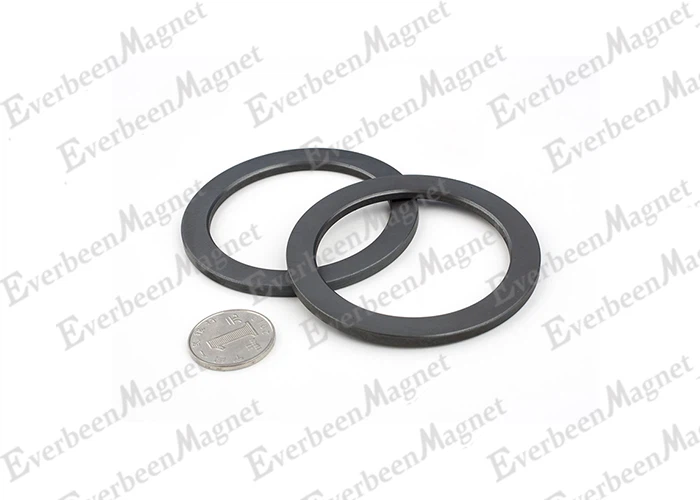
First off, let's talk a bit about what ceramic ring magnets are. These magnets are made from a combination of iron oxide and barium or strontium carbonate. They're known for being relatively inexpensive, corrosion - resistant, and having good magnetic properties. They're used in a wide range of applications, from small consumer electronics to larger industrial machinery. You can find more detailed information about Ceramic Magnet Ring on our website.
Visual Inspection
One of the easiest ways to start assessing the quality of a ceramic ring magnet is through a simple visual inspection. Look at the surface of the magnet. A high - quality ceramic ring magnet should have a smooth and even finish. Any cracks, chips, or rough spots could be a sign of poor manufacturing or handling. These imperfections can not only affect the appearance but also the magnetic performance of the magnet.
Also, check the color consistency. Ceramic ring magnets usually have a uniform color. If you notice any discoloration or uneven color distribution, it might indicate an issue with the manufacturing process, such as improper firing or mixing of materials.
Measuring Magnetic Properties
The magnetic properties of a ceramic ring magnet are perhaps the most important factors in determining its quality. There are a few key parameters to look at:
Magnetic Field Strength
Magnetic field strength is measured in units called gauss or tesla. You can use a gaussmeter to measure the magnetic field strength of a ceramic ring magnet. A stronger magnetic field generally indicates a higher - quality magnet. However, the required magnetic field strength depends on the specific application. For example, Ring Ceramic Magnets for Speakers need to have an appropriate magnetic field to produce clear and accurate sound.
Coercivity
Coercivity is a measure of a magnet's resistance to demagnetization. A magnet with high coercivity is less likely to lose its magnetic properties over time or when exposed to external magnetic fields. You can determine the coercivity of a ceramic ring magnet through specialized testing equipment. Higher coercivity values are usually better, especially in applications where the magnet will be exposed to changing magnetic environments.
Remanence
Remanence refers to the magnetic flux density that remains in a magnet after it has been magnetized and then removed from the magnetizing field. A higher remanence value means that the magnet can hold a stronger magnetic field even without an external magnetizing force. This is important for applications where a long - lasting magnetic field is required.

Density and Hardness
The density and hardness of a ceramic ring magnet can also give you clues about its quality. High - quality ceramic ring magnets typically have a consistent density throughout the material. You can measure the density of a magnet by weighing it and then calculating its volume. If the density is lower than expected, it could indicate porosity or other internal defects.
Hardness is another important factor. Ceramic ring magnets should be hard enough to resist wear and tear but not so brittle that they break easily. You can use a hardness testing tool, such as a Rockwell hardness tester, to determine the hardness of a magnet. A magnet with appropriate hardness is more likely to have a longer lifespan and better performance.
Chemical Composition Analysis
The chemical composition of a ceramic ring magnet plays a significant role in its magnetic and physical properties. Advanced analytical techniques, such as X - ray fluorescence (XRF) or energy - dispersive X - ray spectroscopy (EDS), can be used to analyze the chemical composition of the magnet. These methods can detect the presence of impurities or incorrect ratios of elements. For example, the correct ratio of iron oxide to barium or strontium carbonate is crucial for achieving the desired magnetic properties. If there are too many impurities or an incorrect ratio, the magnet's performance may be compromised. You can learn more about the Ceramic Ferrite Ring Magnet and its chemical composition on our site.
Temperature Stability
Ceramic ring magnets can be affected by temperature changes. High - quality ceramic ring magnets should have good temperature stability. This means that their magnetic properties should remain relatively constant over a wide range of temperatures. You can test the temperature stability of a magnet by subjecting it to different temperature conditions and measuring its magnetic properties at each temperature. Magnets with poor temperature stability may lose their magnetic strength or even become demagnetized when exposed to high or low temperatures.
Quality Control in Manufacturing
As a supplier, we implement strict quality control measures during the manufacturing process. This includes testing samples from each production batch to ensure that they meet the required standards. We also keep detailed records of the manufacturing process, including the raw materials used, the manufacturing parameters, and the test results. This allows us to trace any issues back to their source and take corrective actions.
Conclusion
Determining the quality of ceramic ring magnets involves a combination of visual inspection, measuring magnetic properties, assessing density and hardness, analyzing the chemical composition, and testing temperature stability. By paying attention to these factors, you can ensure that you're getting high - quality ceramic ring magnets for your specific applications.
If you're in the market for ceramic ring magnets and want to discuss your requirements, feel free to reach out. We're here to help you find the best magnets for your needs and ensure that you get the quality you deserve.
References
- "Handbook of Magnetic Materials" - This comprehensive handbook provides in - depth information on the properties and applications of various types of magnets, including ceramic ring magnets.
- "Magnetism and Magnetic Materials" - A textbook that covers the fundamental principles of magnetism and the manufacturing processes of different magnets. It offers valuable insights into the factors that affect the quality of ceramic ring magnets.