

What are the surface treatments available for pot magnets?
Jun 27, 2025
Hey there! As a pot magnet supplier, I'm super excited to dive into the world of surface treatments for pot magnets with you. Pot magnets are pretty cool little gadgets, and the surface treatments they can get are crucial for their performance, durability, and overall look.
Let's start off by understanding why surface treatments are even important for pot magnets. Well, pot magnets are often used in various industrial and commercial applications where they might be exposed to different environmental conditions. These conditions can include moisture, chemicals, abrasion, and even high temperatures. Without proper surface treatments, the magnets can corrode, lose their magnetic strength, or get damaged over time. So, the right surface treatment acts as a protective shield for the magnet, ensuring it lasts longer and works as it should.
One of the most common surface treatments for pot magnets is electroplating. Electroplating involves depositing a thin layer of metal onto the surface of the magnet through an electrochemical process. This layer not only provides a shiny and attractive finish but also offers excellent corrosion resistance. For example, nickel electroplating is widely used. Nickel is a tough and corrosion - resistant metal. When a pot magnet is nickel - plated, it can withstand exposure to moisture and many common chemicals. It also gives the magnet a smooth and professional look, which is great for applications where aesthetics matter, like in consumer products or display units.
Another popular choice is zinc plating. Zinc is a sacrificial metal, which means it corrodes before the underlying magnet material. This sacrificial protection is really useful in environments where the magnet might be exposed to some degree of moisture. Zinc - plated pot magnets are often used in outdoor applications or in industries where they might come into contact with water, like in marine or agricultural equipment. The zinc layer forms a protective oxide film over time, which further enhances its corrosion - resistant properties.
If you're looking for a more heavy - duty protection, you might consider epoxy coating. Epoxy coatings are thick and durable. They can provide excellent resistance to abrasion, chemicals, and even impact. When a pot magnet is epoxy - coated, it can handle rough handling and harsh working conditions. Epoxy coatings come in different colors, so you can choose a coating that suits your specific application needs. For instance, if you want to color - code your magnets for easy identification in a manufacturing process, epoxy coating can be a great option.
Now, let's talk about some specific types of pot magnets and their relevant surface treatments.
Alnico holding magnets are known for their high temperature stability and strong magnetic properties. You can find more about them on this Alnico Holding Magnet page. These magnets are often used in applications where they need to maintain their magnetic strength at elevated temperatures, like in some electrical motors or generators. For alnico pot magnets, a nickel - copper - nickel plating is sometimes used. The copper layer in between the two nickel layers provides additional corrosion protection and helps to improve the adhesion of the plating to the magnet surface. You can explore more about Alnico Pot Magnets and their features.
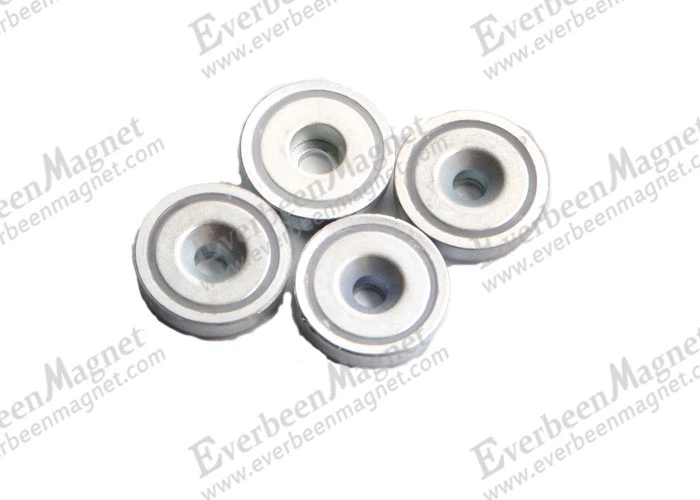

Countersunk pot magnets are designed with a countersunk hole, which allows them to be flush - mounted into a surface. You can learn more about them on this Coutersunk Pot Magnet page. For countersunk pot magnets, the surface treatment is not only about protection but also about ensuring a smooth fit. A smooth surface finish is essential for proper mounting. Nickel plating is a common choice for countersunk pot magnets as it provides a smooth and corrosion - resistant surface that won't interfere with the mounting process.
Powder coating is another surface treatment option for pot magnets. Powder coating involves applying a dry powder to the magnet surface and then heating it to form a hard, protective layer. It offers a wide range of colors and finishes, from matte to glossy. Powder - coated pot magnets are resistant to chipping, scratching, and fading. They are suitable for applications where the magnet needs to look good and stay protected over a long period. For example, in furniture manufacturing, powder - coated pot magnets can be used for cabinet closures or in - built magnetic fixtures.
In addition to these common surface treatments, there are also some specialized treatments available. For example, PTFE (polytetrafluoroethylene) coating. PTFE is well - known for its low friction and non - stick properties. When a pot magnet is PTFE - coated, it can be used in applications where it needs to slide smoothly or where it should not stick to other materials. This is useful in machinery parts where the magnet is used in a moving mechanism.
When choosing a surface treatment for your pot magnets, you need to consider several factors. First, think about the environment in which the magnet will be used. If it's an indoor, dry environment, a simple nickel or zinc plating might be sufficient. But if it's an outdoor or harsh industrial environment, you'll probably need a more heavy - duty treatment like epoxy coating. Second, consider the application requirements. If aesthetics are important, you might want a shiny electroplated finish or a colored epoxy coating. If the magnet will be used in a high - precision application, you need to make sure the surface treatment doesn't affect its magnetic properties.
As a pot magnet supplier, I've seen firsthand how the right surface treatment can make a huge difference in the performance and lifespan of a pot magnet. Whether you're in the manufacturing industry, the consumer products sector, or any other field that uses pot magnets, choosing the appropriate surface treatment is a crucial decision.
If you're in the market for pot magnets and are unsure which surface treatment is best for your specific needs, don't hesitate to reach out. We can help you select the right pot magnets with the ideal surface treatment for your application. Whether it's a small - scale project or a large - scale industrial order, we've got the expertise and the products to meet your requirements. Let's have a chat and figure out the perfect solution for you.
References
- Handbook of Magnetic Materials, edited by K. H. J. Buschow
- Surface Treatment and Finishing of Magnets, industry white paper