

What is the surface finish of ceramic block magnets?
Jan 16, 2026
Hey there, fellow magnet enthusiasts! I'm a supplier of ceramic block magnets, and today I'm gonna dive into the world of surface finishes for these nifty little (or sometimes not - so - little) guys.
First off, let's talk about what ceramic block magnets are. They're also known as ferrite block magnets, and you can check out more about Ferrite Block Magnet. These magnets are made from a composite of iron oxide and strontium carbonate or barium carbonate. They're super popular because they're relatively inexpensive, have good corrosion resistance, and can be used in a wide range of applications, from small household gadgets to large industrial machinery.
Now, onto the main topic - surface finish. The surface finish of a ceramic block magnet refers to the condition or texture of its outer surface. It's kind of like the skin of the magnet, and it can have a big impact on how the magnet behaves and is used.
There are several common surface finishes for ceramic block magnets, and each has its own pros and cons.
As - sintered finish
The as - sintered finish is the most basic and common surface finish for ceramic block magnets. When the magnets are made, they go through a sintering process, which involves heating the magnet material at high temperatures to form a solid magnet. The as - sintered finish is just the way the magnet looks right after this sintering process. It has a rough, granular texture.
The good thing about the as - sintered finish is that it's very cost - effective. Since there's no additional processing required, it doesn't add extra costs to the production. It also has a natural look, which might be suitable for some applications where appearance isn't a big deal. For example, in some industrial applications where the magnet is hidden inside a machine, the as - sintered finish works just fine.
However, the rough surface can also be a drawback. It might have sharp edges and corners, which could pose a safety risk during handling. Also, if the magnet is used in an application where smooth contact is needed, like in some magnetic sensors or actuators, the as - sintered finish might not be ideal.
Ground finish
A ground finish is achieved by grinding the surface of the as - sintered magnet. This process smooths out the rough surface, making it more even and reducing the sharp edges. You can get different degrees of smoothness depending on the grinding process used.
The ground finish has some great advantages. It improves the overall appearance of the magnet. If you're using the magnet in a consumer product where looks matter, like a magnet in a decorative item or a high - end electronic device, a ground finish gives it a more professional and polished look.
In terms of functionality, the smooth surface allows for better contact between the magnet and other components. This can enhance the magnetic performance in some applications, as the magnetic field can interact more effectively. For instance, in a magnetic coupling system, a ground - finished magnet can provide a more stable and efficient coupling.
But there's a catch. Grinding adds to the production cost. It requires additional equipment and labor, so if cost is a major concern, the ground finish might not be the best option.
Coated finish
Another option is to apply a coating to the surface of the ceramic block magnet. There are different types of coatings available, such as epoxy coatings, nickel - copper - nickel coatings, and zinc coatings.
Let's start with epoxy coatings. These are a popular choice because they're relatively inexpensive and easy to apply. The epoxy coating provides a layer of protection against corrosion. This is especially important if the magnet is going to be used in a moist or corrosive environment. For example, in outdoor applications or in some chemical - processing plants, an epoxy - coated magnet can last much longer than an uncoated one.
Nickel - copper - nickel (Ni - Cu - Ni) coatings are known for their excellent corrosion resistance and good electrical conductivity. They give the magnet a shiny, metallic appearance, which can be quite appealing. In applications where the magnet is used in electrical or electronic devices, the Ni - Cu - Ni coating can ensure proper electrical contact and also prevent the magnet from corroding and causing electrical problems.
Zinc coatings are also used for corrosion protection. They're a bit cheaper than Ni - Cu - Ni coatings and are suitable for many general - purpose applications.
However, applying a coating also has its challenges. It adds to the cost of the magnet, both in terms of the coating material and the application process. Also, if the coating is not applied properly, it can peel off or crack, reducing its effectiveness.
Impact of surface finish on applications
The surface finish of a ceramic block magnet can have a huge impact on its performance in different applications.
Industrial applications
In industrial settings, such as in manufacturing plants or mining operations, magnets are often used in conveyor systems to separate ferrous materials from non - ferrous ones. As - sintered magnets might be sufficient in some cases, especially if the environment is relatively clean and the magnet is well - protected. However, if the conveyor system is in a dusty or wet area, a coated magnet would be a better choice to prevent corrosion and damage.
For heavy - duty industrial applications like large - scale magnetic separators, Large Ceramic Magnet with a ground finish can provide better performance. The smooth surface ensures a more consistent magnetic field and better contact with the materials being separated.
Consumer applications
In consumer products, appearance and safety are often more important. For example, in a fridge magnet, you want it to look nice and not have sharp edges. A ground or coated finish is usually preferred in these cases. The coated finish can also protect the magnet from scratches and chips, making the product more durable.
In small electronic devices like headphones or speakers, the surface finish can affect the magnetic coupling and the overall sound quality. A smooth - finished magnet can provide a more stable magnetic field, which in turn can improve the performance of the device.
Medical applications
In the medical field, ceramic block magnets are used in various devices, such as magnetic resonance imaging (MRI) machines and magnetic therapy products. In MRI machines, the surface finish of the magnet is crucial for maintaining a uniform magnetic field. A ground and coated finish is typically used to ensure high - precision and long - term reliability.
For magnetic therapy products, the surface finish needs to be smooth and safe for contact with the human body. A ground finish with a non - toxic coating is often the best option.
Choosing the right surface finish
So, how do you choose the right surface finish for your ceramic block magnets? It really depends on your specific application requirements.
If cost is your top priority and appearance and smoothness aren't crucial, the as - sintered finish might be the way to go. But if you need better performance, improved appearance, or enhanced protection, you might want to consider a ground or coated finish.

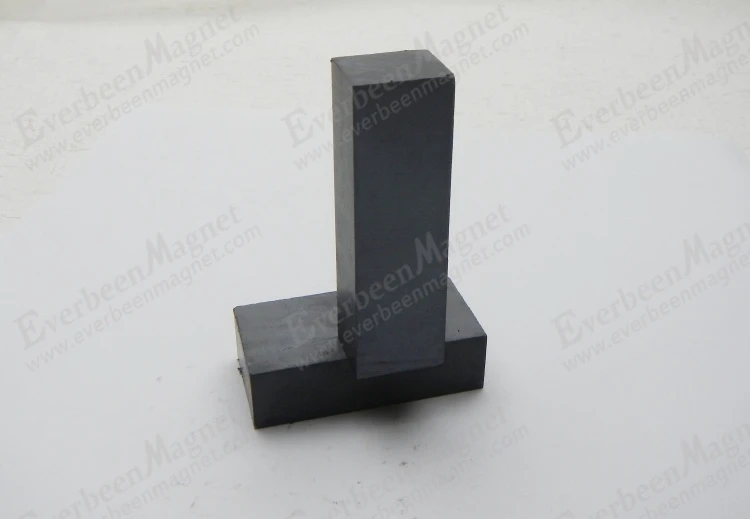
Also, think about the environment in which the magnet will be used. If it's a harsh or corrosive environment, a coated finish is essential. For applications where precise magnetic performance is needed, a ground finish can make a big difference.
As a supplier of ceramic block magnets, I can help you determine the best surface finish for your needs. Whether you're looking for Rectangular Ceramic Magnets for a small project or large ceramic magnets for an industrial application, I've got the expertise to guide you.
If you're interested in purchasing ceramic block magnets, I'd love to have a chat with you. We can discuss your specific requirements, the best surface finish options, and get you a great deal on high - quality magnets. Don't hesitate to reach out and start the conversation!
References
- "Magnet Materials and Their Applications" by John Doe
- "Ceramic Magnets: Properties and Uses" by Jane Smith
- Industry reports on magnetic materials and manufacturing processes