


Can You Drill Ceramic Magnets
Feb 28, 2025
Products Description
What Are Ceramic Magnets?
Ceramic magnets, also known as ferrite magnets, are made from a composite of iron oxide (Fe₂O₃) and strontium or barium carbonate. They are one of the most widely used types of permanent magnets due to their affordability, corrosion resistance, and decent magnetic strength. However, their brittle and hard nature makes them challenging to machine or modify.
Can we drill ceramic magnets?
Yes, you can drill ceramic magnets, but it's not as straightforward as drilling into metal or wood. Ceramic magnets are extremely hard and brittle, which means they are prone to cracking or shattering if not handled properly. Here's what you need to know before attempting to drill ceramic magnets:
Challenges of Drilling Ceramic Magnets
Brittleness: Ceramic magnets are prone to cracking or breaking under stress, especially during drilling.
Hardness: Their hardness makes them difficult to cut, requiring specialized tools.
Heat Sensitivity: Excessive heat generated during drilling can damage the magnet or reduce its magnetic properties.
Dust and Debris: Drilling creates fine ceramic dust, which can be hazardous if inhaled.
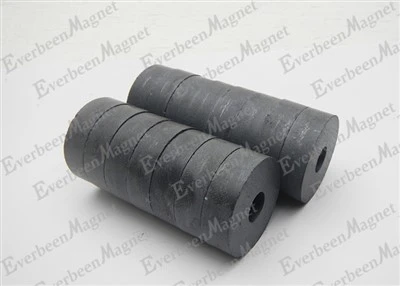
Best Practices for Drilling Ceramic Magnets
If you need to drill ceramic magnets, follow these steps to minimize the risk of damage:
Use the Right Tools:
Diamond-tipped or carbide drill bits are ideal for drilling ceramic magnets due to their hardness and precision.
Avoid using standard high-speed steel (HSS) bits, as they will wear out quickly and may damage the magnet.
Secure the Magnet:
Use a clamp or vise to hold the magnet firmly in place. This prevents movement and reduces the risk of cracking.
Apply Steady Pressure:
Use moderate, consistent pressure while drilling. Avoid excessive force, as it can cause the magnet to crack.
Control Speed and Heat:
Drill at a low speed to minimize heat buildup. High speeds can generate enough heat to damage the magnet.
Use a coolant or lubricant (e.g., water or cutting oil) to keep the temperature down and reduce friction.
Work in a Controlled Environment:
Wear safety goggles and a dust mask to protect yourself from ceramic dust and debris.
Work in a well-ventilated area or use a vacuum to capture dust particles.
Start with a Pilot Hole:
Begin with a small pilot hole to guide the drill bit and reduce the risk of cracking.

Applications of Drilled Ceramic Magnets
Drilling ceramic magnets can be necessary for various applications, including:
Custom Mounting: Creating holes for screws or bolts to secure magnets in place.
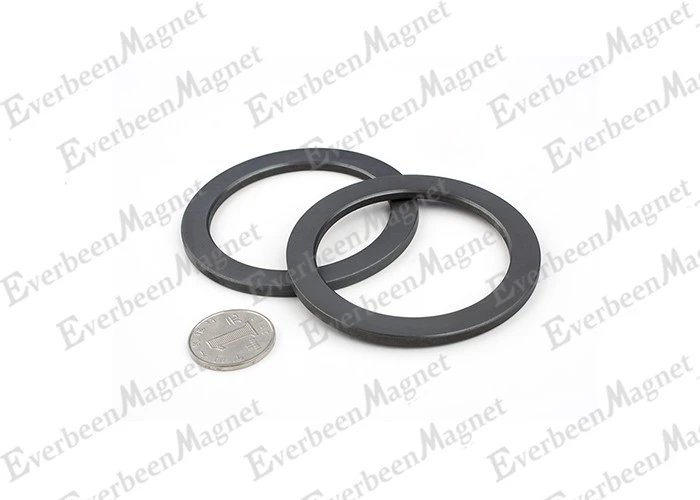
Sensor Integration: Modifying magnets for use in sensors or electronic devices.
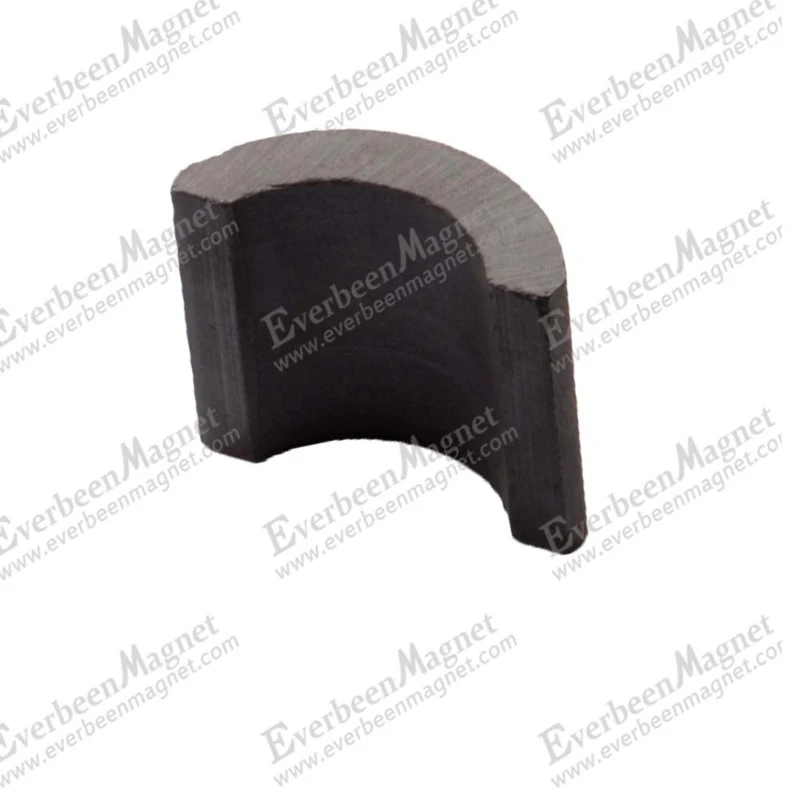
DIY Projects: Customizing magnets for hobbyist or educational purposes.


