Small Neodymium Magnets’ Application in Electronic Locks
Apr 09, 2025
In the fast-evolving field of smart security systems, electronic locks have emerged as a reliable, user-friendly solution for both residential and commercial use. At the core of many electronic lock mechanisms lies a critical component that often goes unnoticed - small neodymium magnets. Known for their powerful magnetic properties despite their compact size, these magnets are indispensable in ensuring smooth operation, durability, and enhanced security features in modern electronic locking systems.
What Are Neodymium Magnets?
Neodymium magnets, also known as NdFeB magnets or rare earth magnets, are composed of an alloy of neodymium, iron, and boron. They are currently the strongest type of permanent magnets available on the market, offering exceptional magnetic strength even in miniature sizes. Their small size, high energy product, and excellent coercivity make them a preferred choice in compact and precise electronic components, including electronic locks.
we Can Custom various Neodymium magnets

DISC MAGNETS
Disc magnets

iamond
Block magnets

strong ring magnets
Ring magnets

Anti-
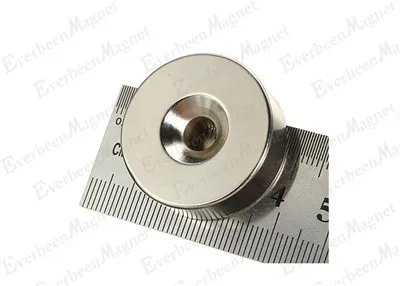
countersunk hole magnets
The Role of Small Neodymium Magnets in Electronic Locks
Electronic locks typically use either solenoid-based mechanisms or magnetic sensing technology to control access. Small neodymium magnets play several key roles in these systems:
1. Magnetic Sensing and Reed Switch Activation
Many electronic locks rely on reed switches for magnetic sensing. A small neodymium magnet, when brought near the switch, causes the reed contacts to close, signaling that the lock should engage or disengage. This simple yet reliable mechanism ensures a contactless and wear-free operation, which improves durability and lifespan.
2. Position Detection
In smart locks, it is essential to know whether the bolt is in the locked or unlocked position. Small neodymium magnets can be strategically placed to work with Hall-effect sensors to detect bolt movement. This allows the system to track lock status and alert users via mobile apps or connected devices if the lock is left open or tampered with.
3. Holding and Latching Mechanisms
In some electronic locks, magnets are used to assist or replace traditional mechanical latches. Neodymium magnets provide a strong holding force that keeps the door securely closed when needed. This is especially useful in low-power designs where magnetic force can supplement electronic locking without draining batteries.
4. Fail-Safe or Fail-Secure Functions
Depending on whether a lock is designed to remain locked or unlocked during a power failure, small neodymium magnets can be integrated to support fail-safe or fail-secure functions. In magnetic lock designs, the magnet ensures the door remains in its intended state during emergencies.
Why Choose Small Neodymium Magnets?
1. High Strength-to-Size Ratio
One of the biggest advantages of neodymium magnets is their ability to produce a strong magnetic field from a small form factor. This allows engineers to design compact, sleek electronic locks without compromising performance.
2. Durability and Longevity
Coated with nickel, zinc, or epoxy, neodymium magnets are resistant to corrosion and wear, ensuring long-term reliability in lock systems exposed to frequent use or outdoor environments.
3. Energy Efficiency
Because neodymium magnets can hold or trigger mechanisms passively, they contribute to lower power consumption in battery-operated locks - a crucial feature for smart locks used in remote or mobile applications.
4. Cost-Effectiveness
Despite their superior performance, small neodymium magnets are affordable in bulk, making them an ideal solution for large-scale lock production without significantly increasing manufacturing costs.
Optimizing Lock Performance with the Right Magnet
Selecting the appropriate size, grade, and coating of neodymium magnet is crucial for optimal lock performance. For example, N35–N52 grades are commonly used depending on the magnetic force required. Coatings such as NiCuNi or epoxy help improve corrosion resistance in humid or outdoor environments.
Working with a reliable magnet supplier ensures consistent quality, accurate tolerances, and customization options to fit unique lock designs.
Conclusion
Small neodymium Iron Boron magnets are an essential enabler of today's advanced electronic lock systems. Their strength, reliability, and versatility make them a smart choice for manufacturers looking to enhance product performance while maintaining compact and energy-efficient designs. As the demand for smart security solutions continues to grow, the role of neodymium magnets in electronic locks will only become more critical.